Kansas State University

search

K-State Turf and Landscape Blog

Category: Diseases

Large patch prevention time

(Megan Kennelly, KSU Plant Pathology)

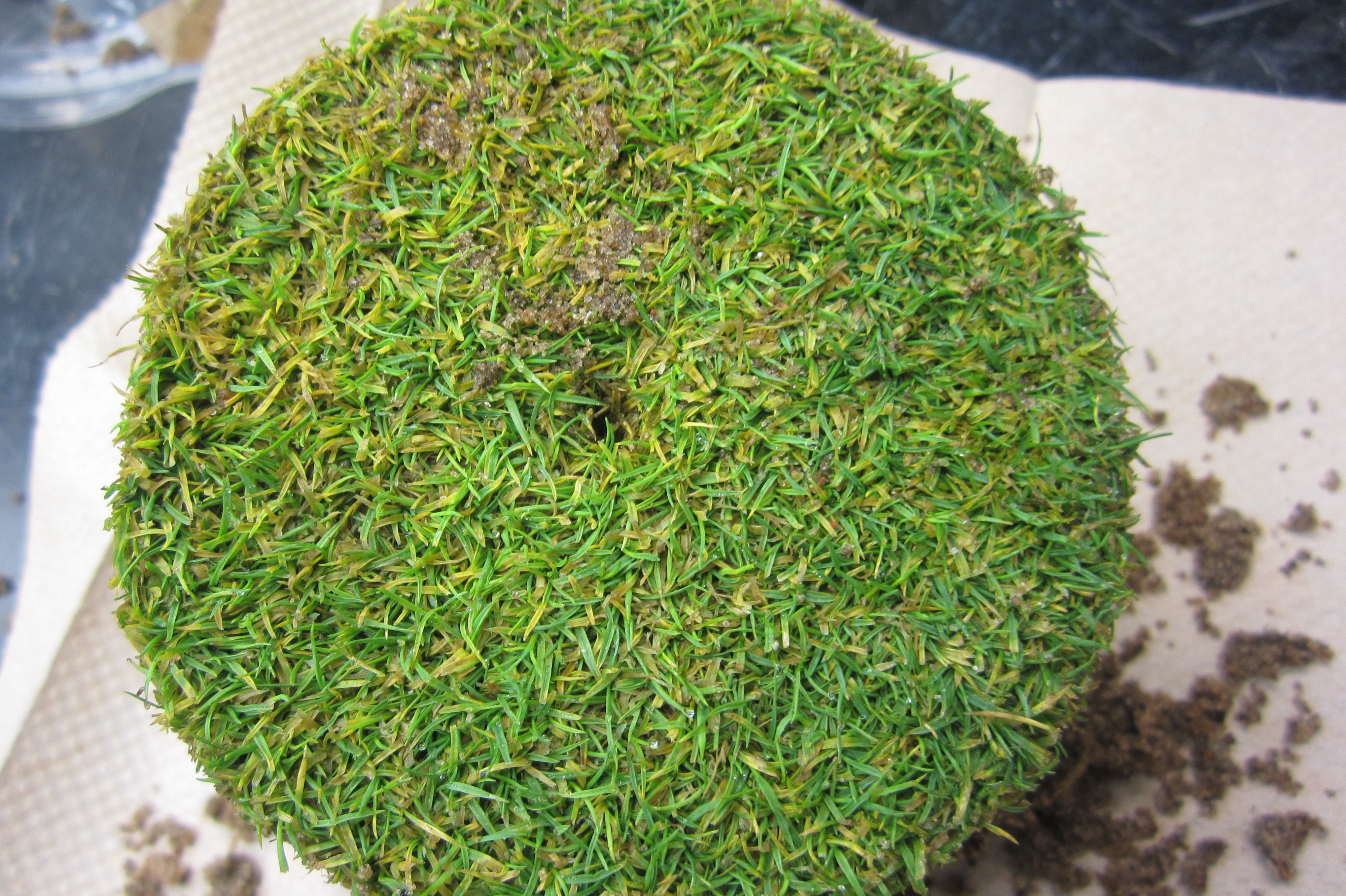
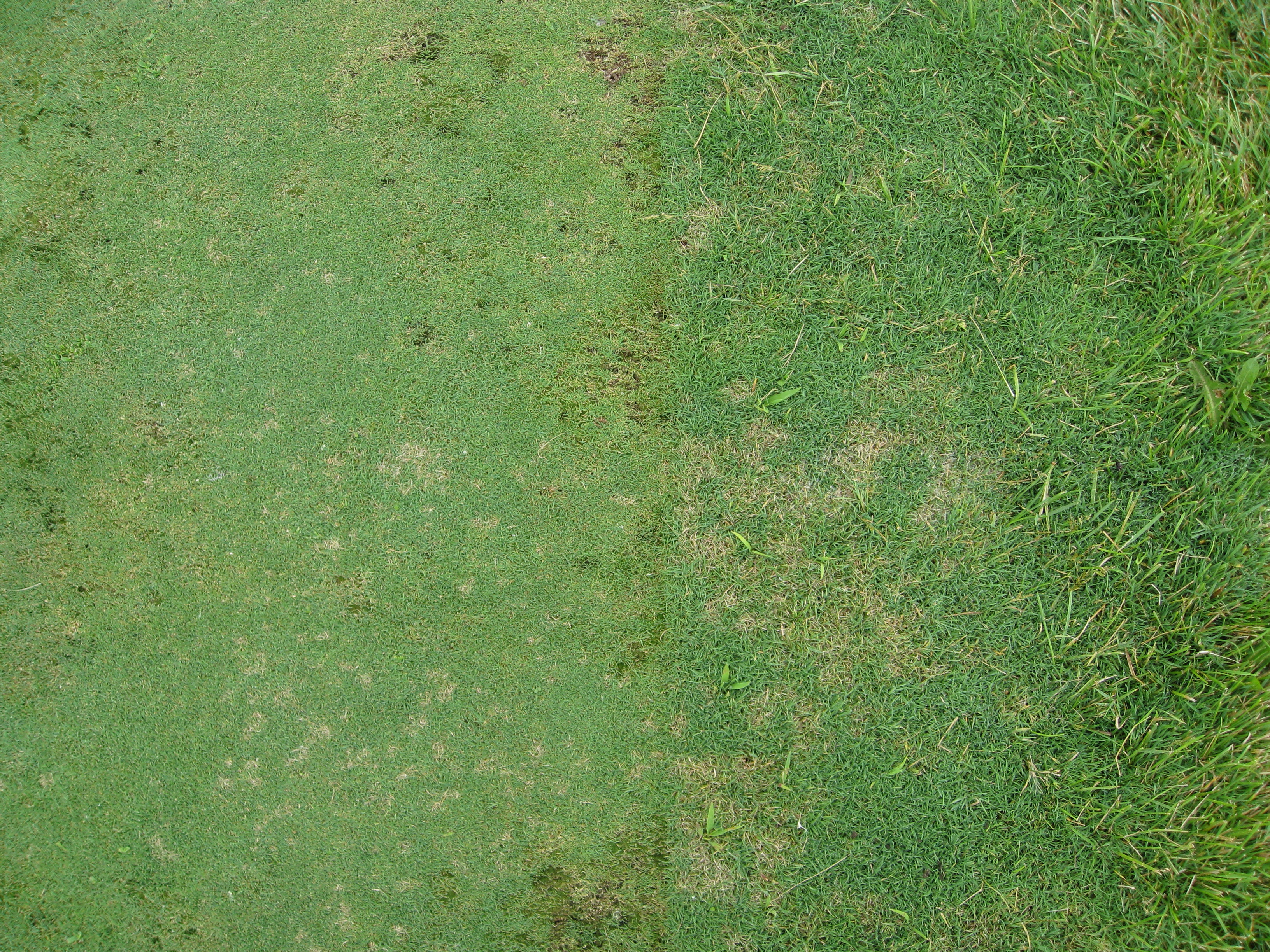
IMG_7026

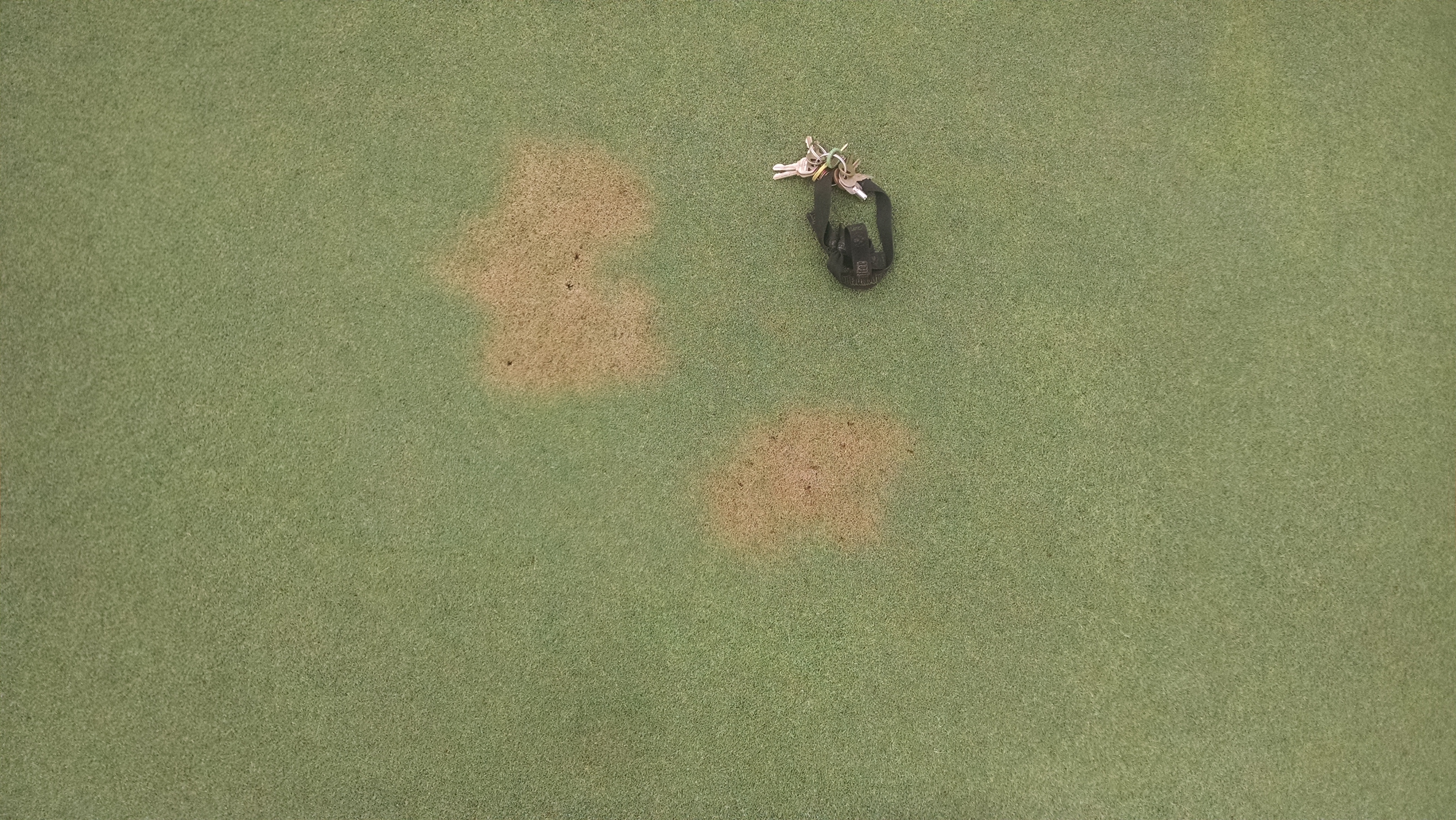
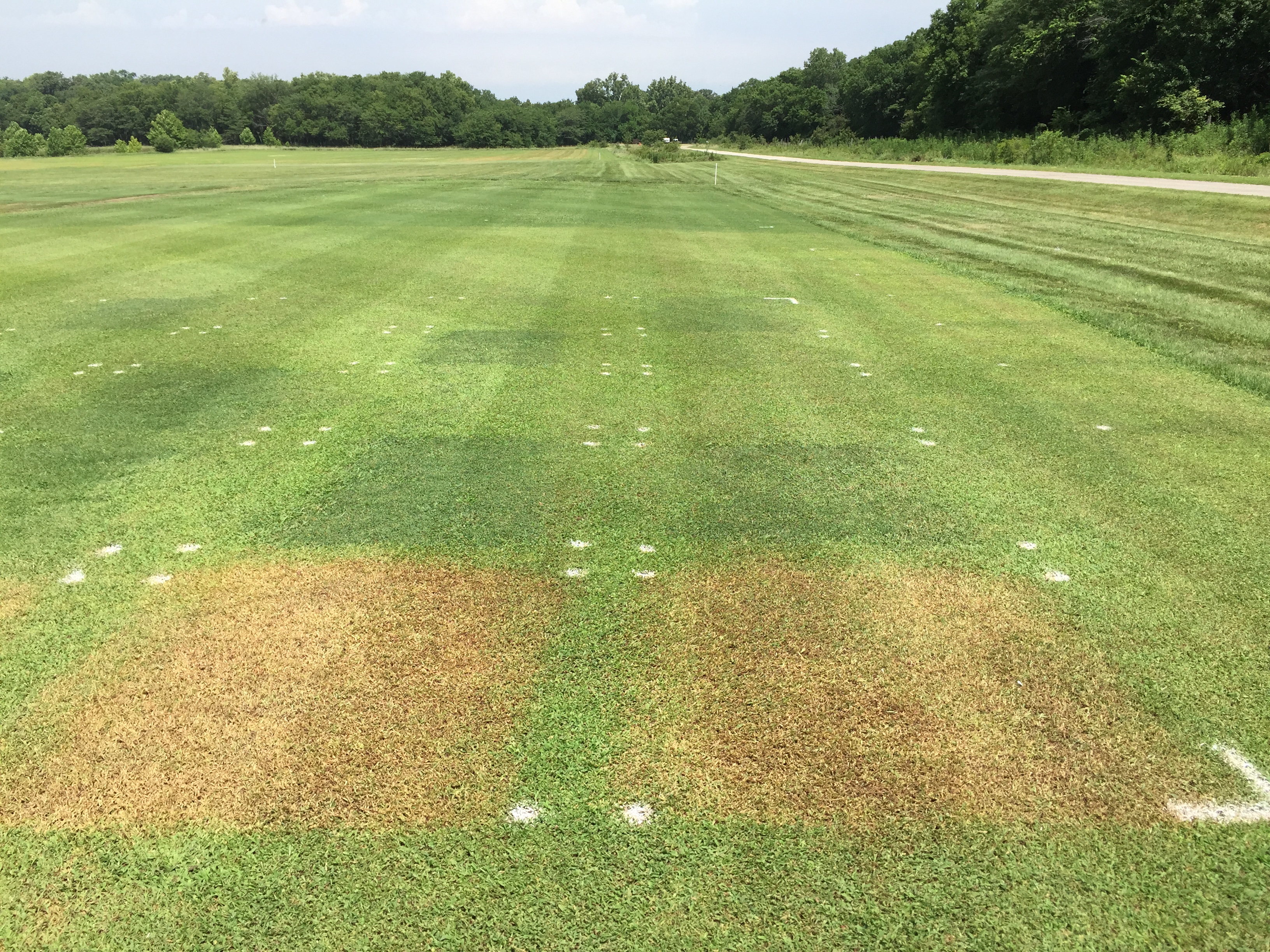
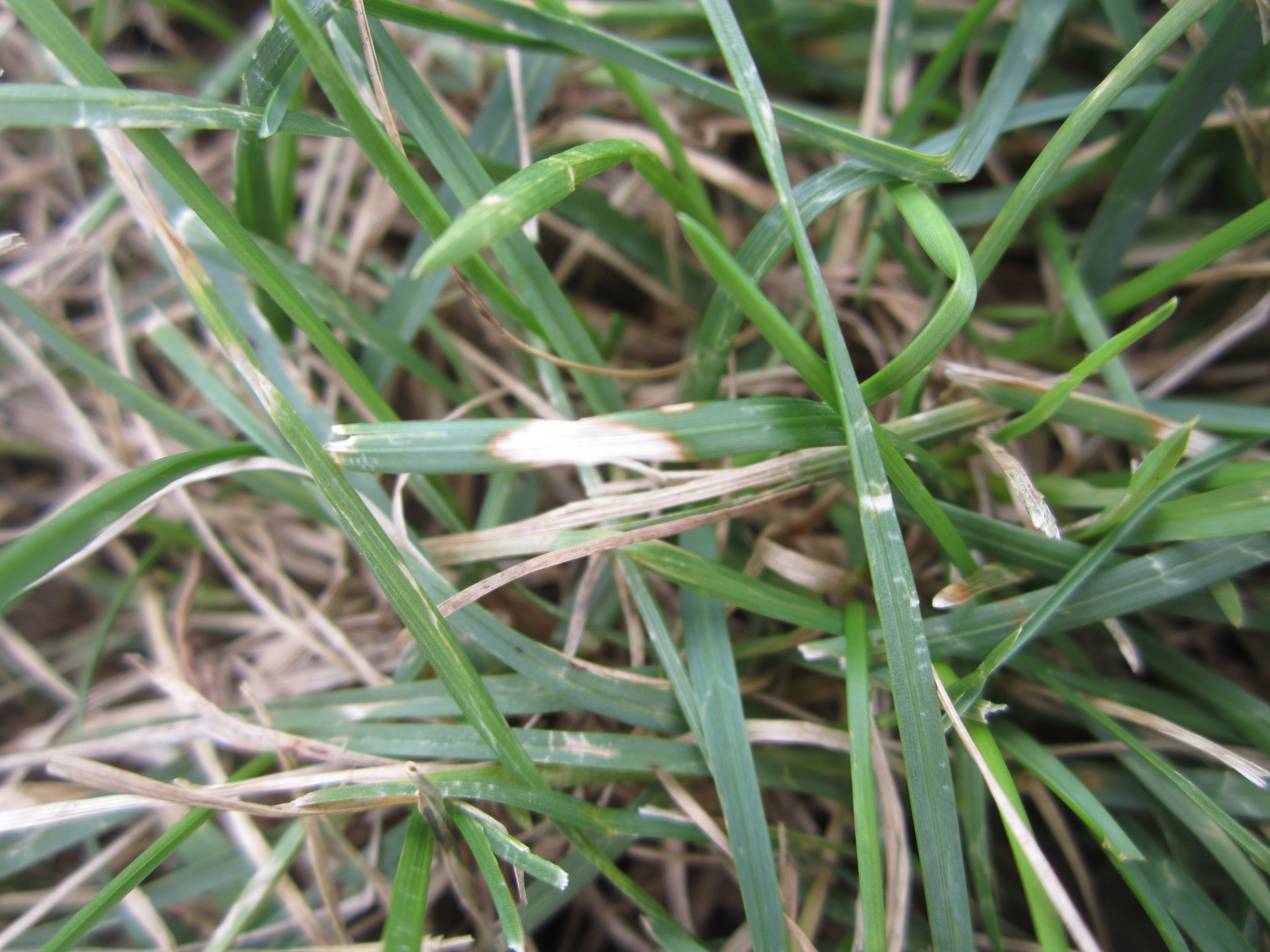
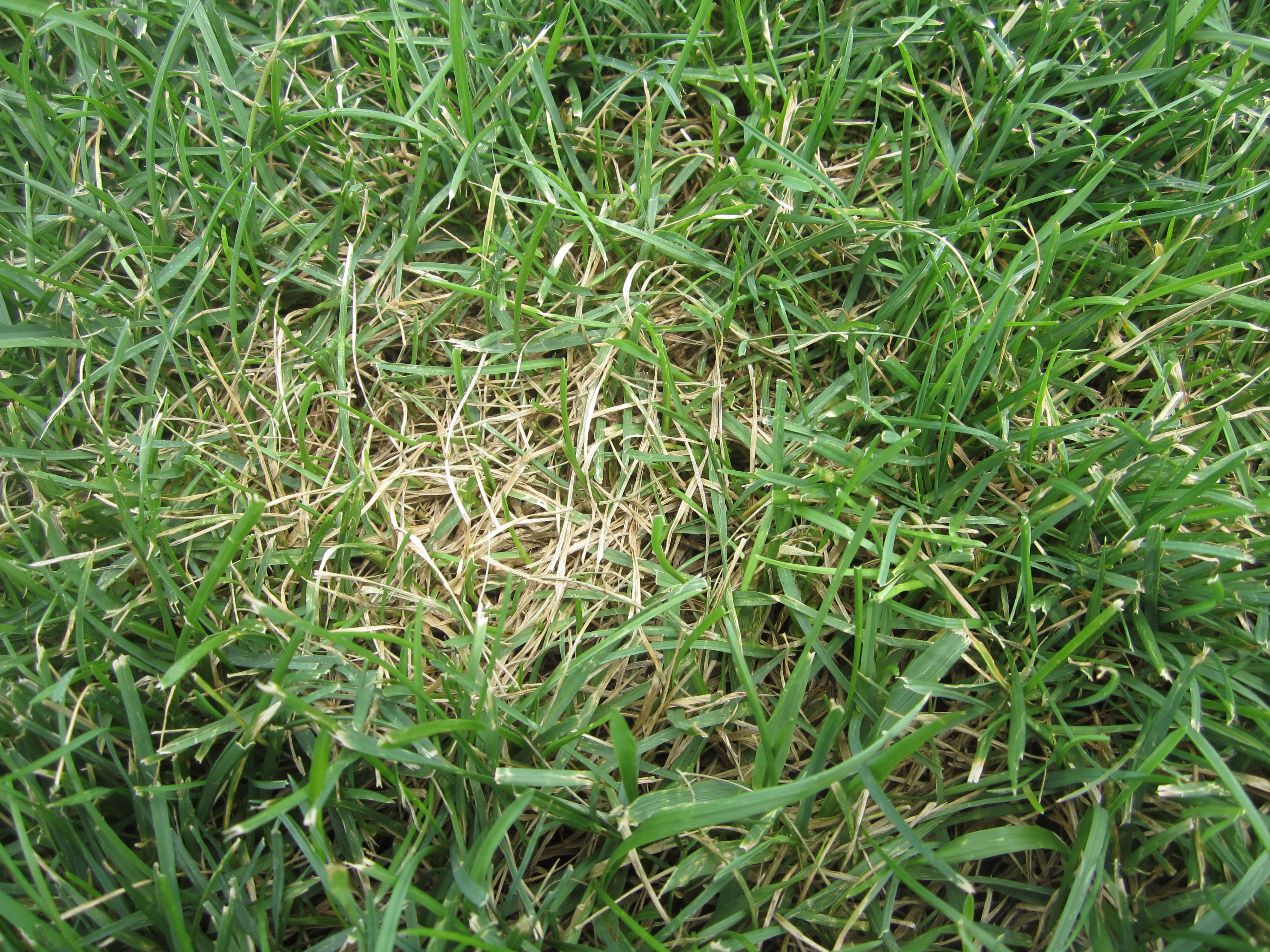
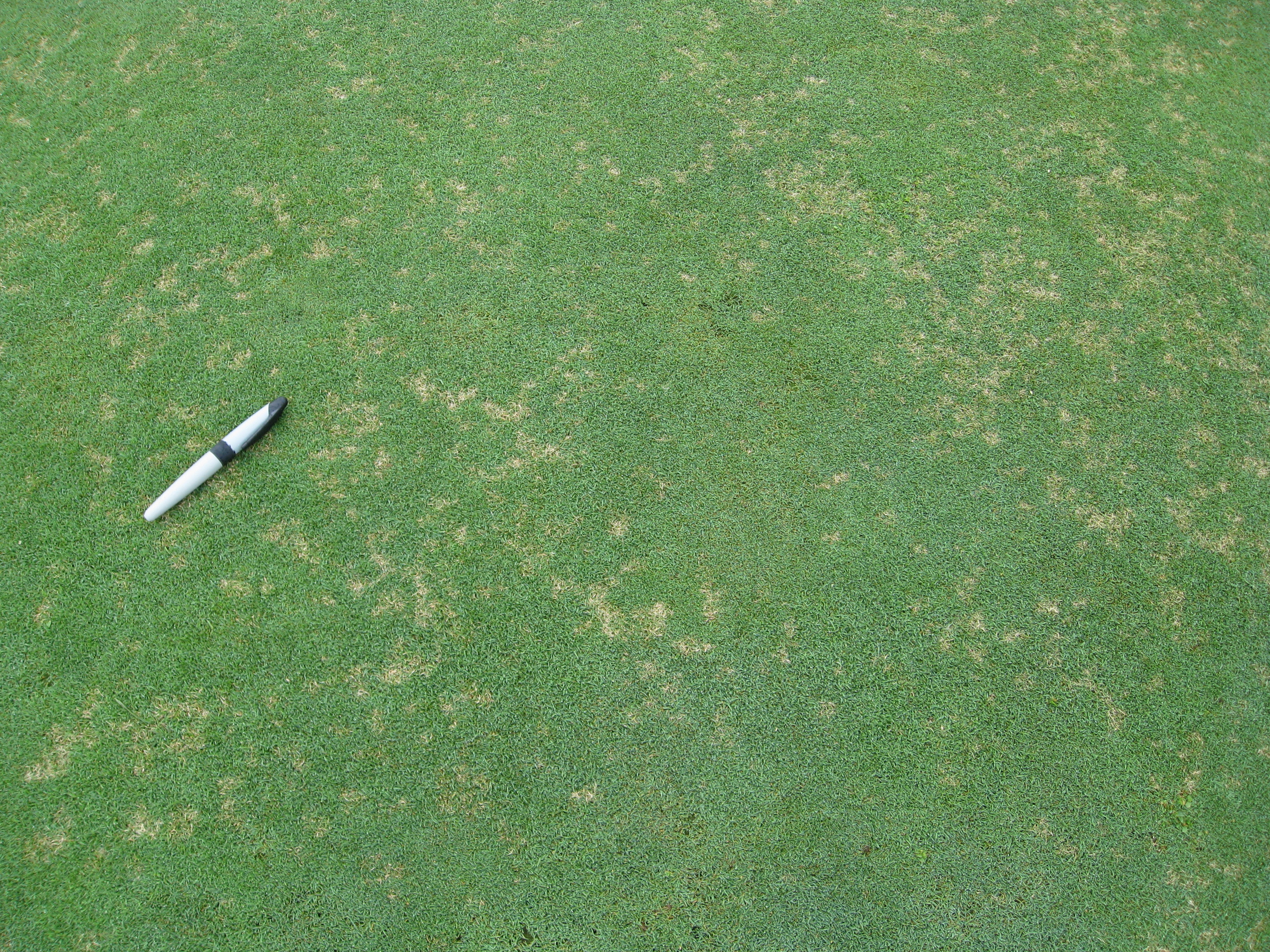
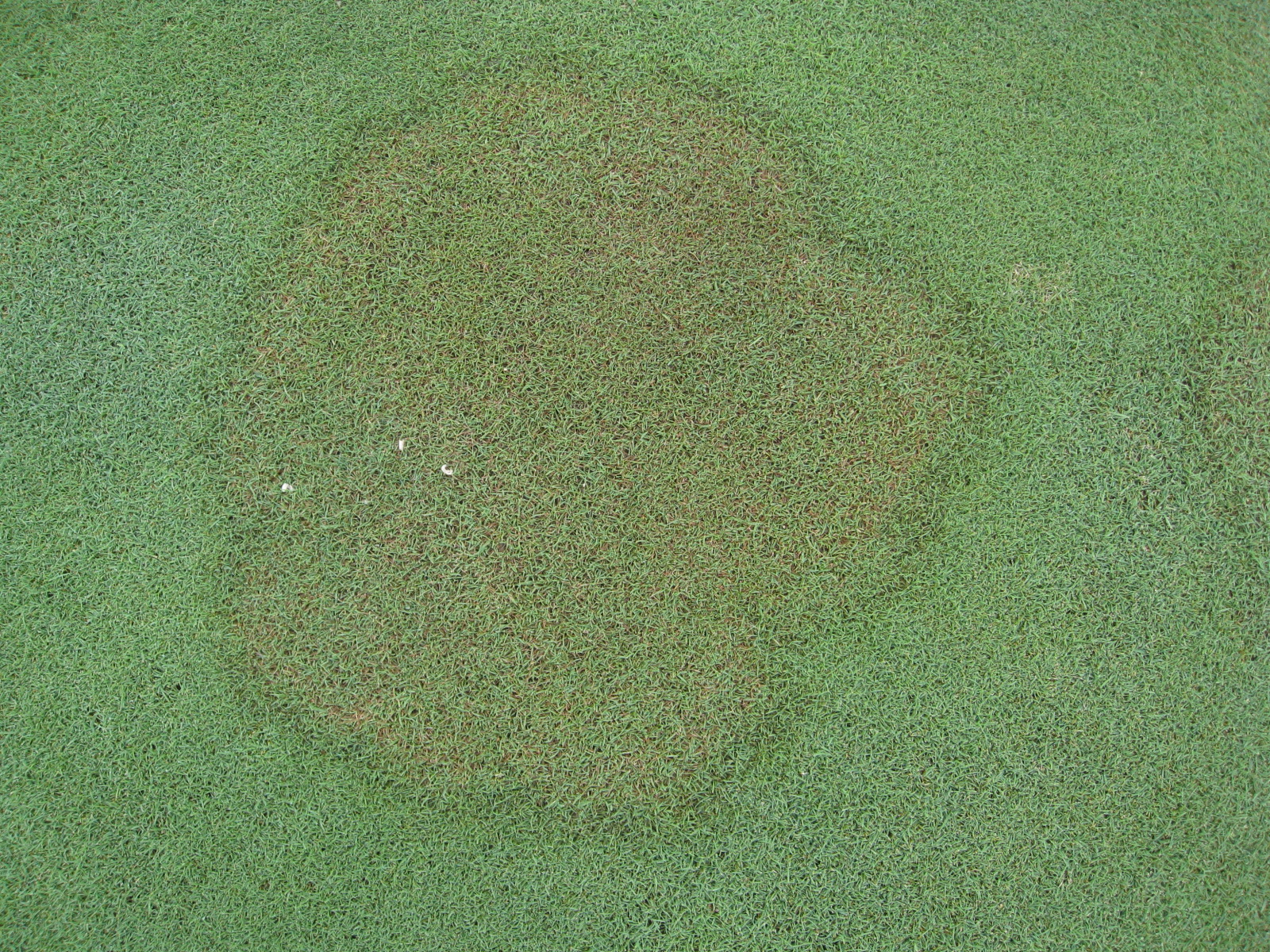
It seems like we were just talking about all our summer diseases and summer stress, but now we need to be thinking about fall. September is the time to be thinking about large patch in zoysiagrass.

There is some great info about large patch control at this link, starting on page 14.

http://www2.ca.uky.edu/agc/pubs/ppa/ppa1/ppa1.pdf

We’ve done quite a few trials at KSU over the years, and our results match pretty closely with the efficacy data shown at the above link. Regarding timing, we’ve had good control from most application timings in September.

Large patch tends to be in the same areas from one year to the next, so one option is to map out “hot spots” and focus on those.

If you just can’t get enough large patch info, you can check out some short videos here that I made awhile back:

Part 1: (5 min symptoms/biology)  https://www.youtube.com/watch?v=zD-dlw9NfLk

Part 2 (14 min – management): https://www.youtube.com/watch?v=EIl0bsLYatI

Grey Leaf Spot

(By Jared Hoyle; KSU Turfgrass Research and Extension)

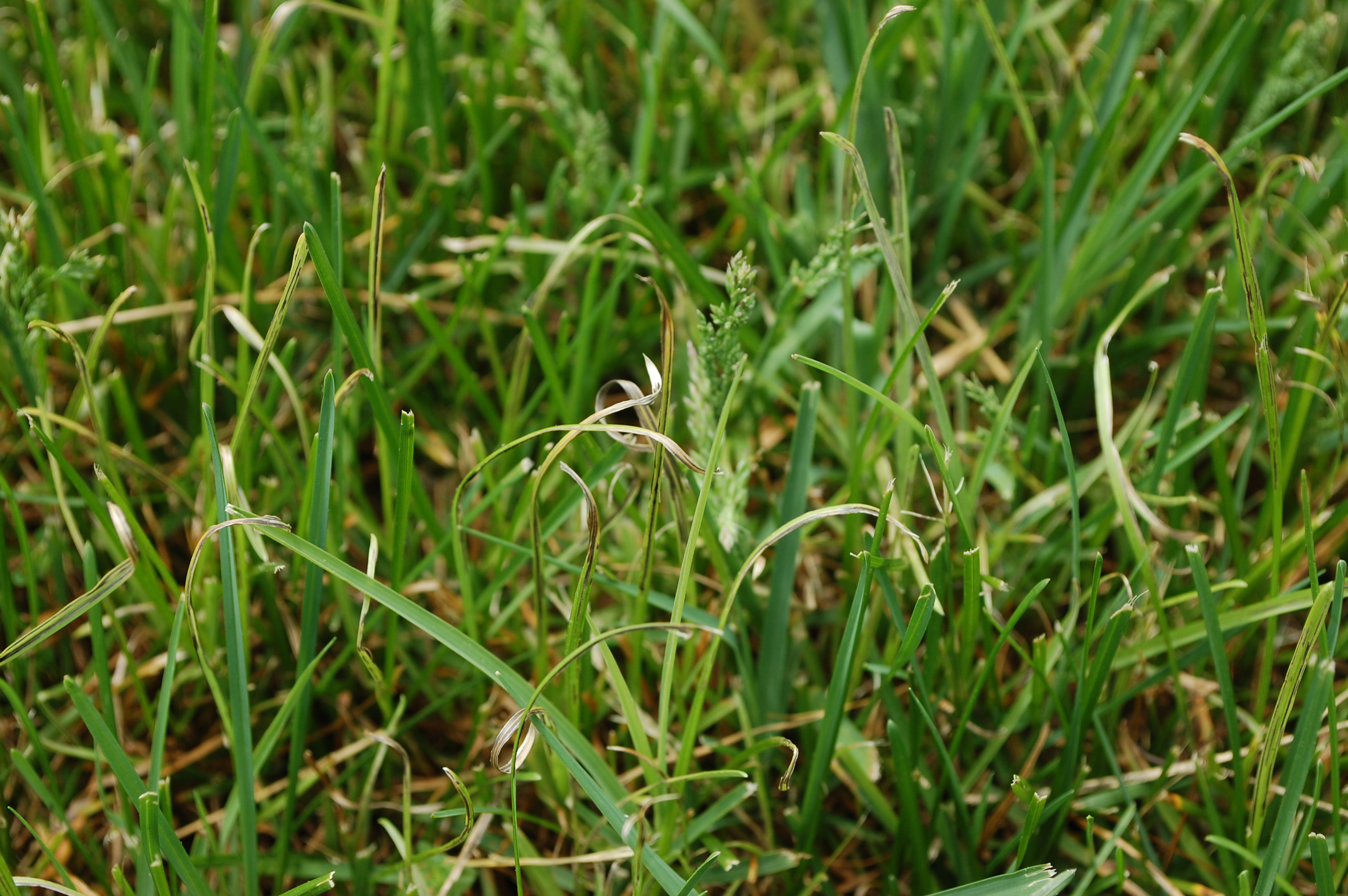
Hope you haven’t seen it this year and won’t see it but I have talked to some people and have already heard of a couple occurrences of gray leaf spot.

So instead of typing out all the information about grey leaf spot I will send you to a great resource that has tons of information about great leaf spot.

Check it out here – http://www.turffiles.ncsu.edu/diseases/gray-leaf-spot

Also check on page 13 for more control options for grey leaf spot in this publication – http://www2.ca.uky.edu/agc/pubs/ppa/ppa1/ppa1.pdf


Root decline, it ain’t benign

(Megan Kennelly)

In the past 2 weeks we have posted a series of articles related to root health and rootzone management. I’m following up here with a few more photos (click to zoom any of the photos below).

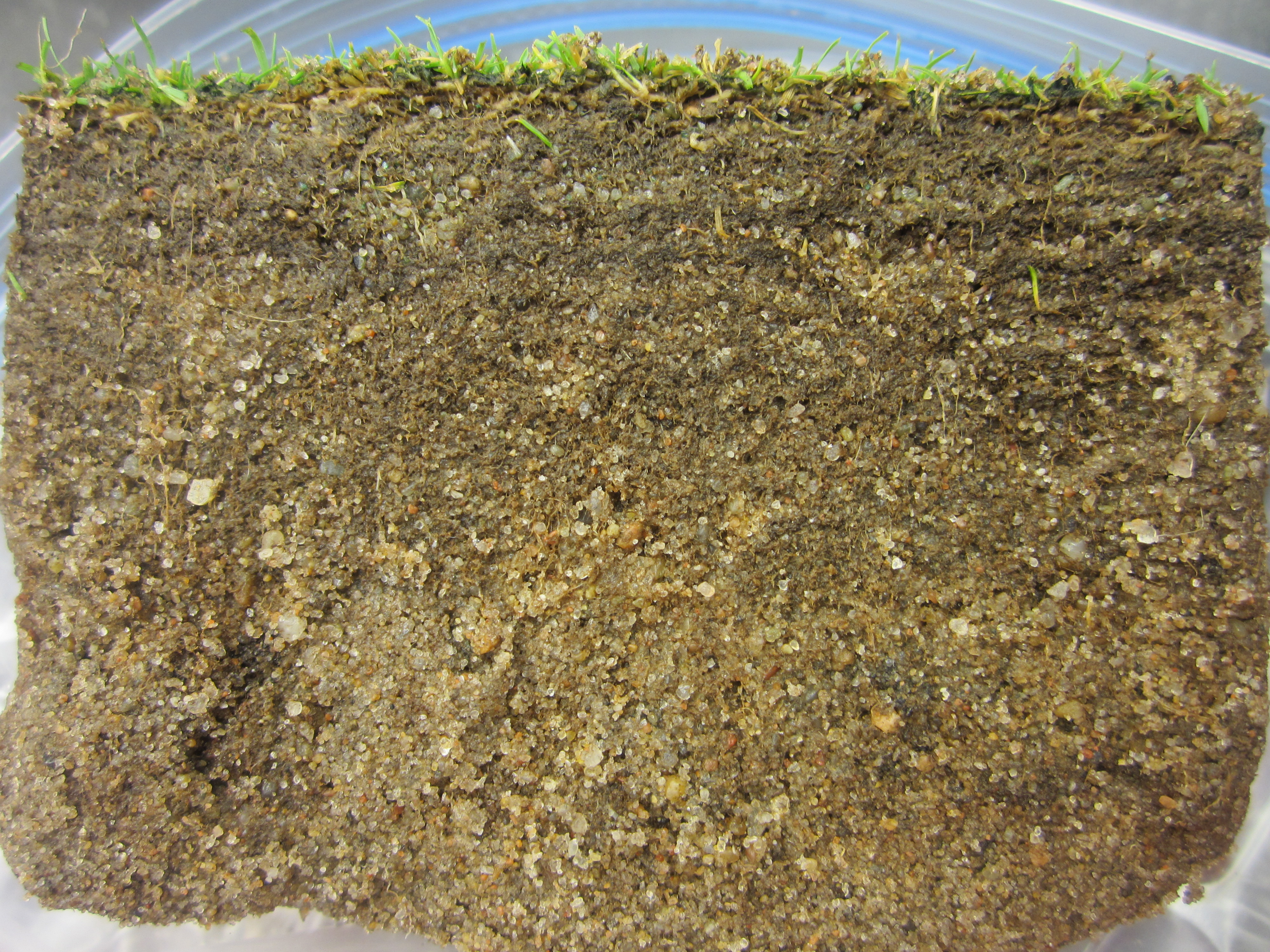
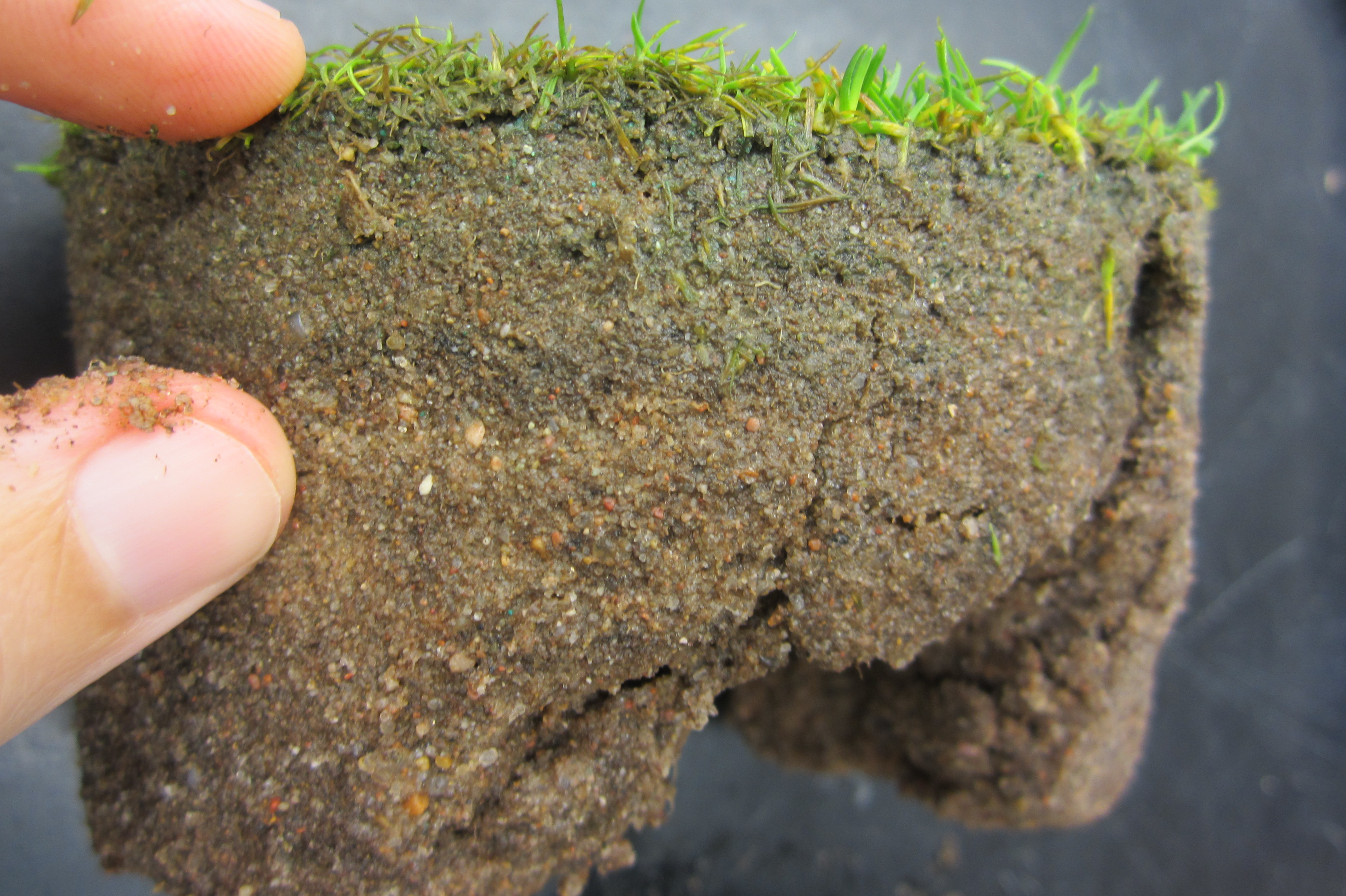
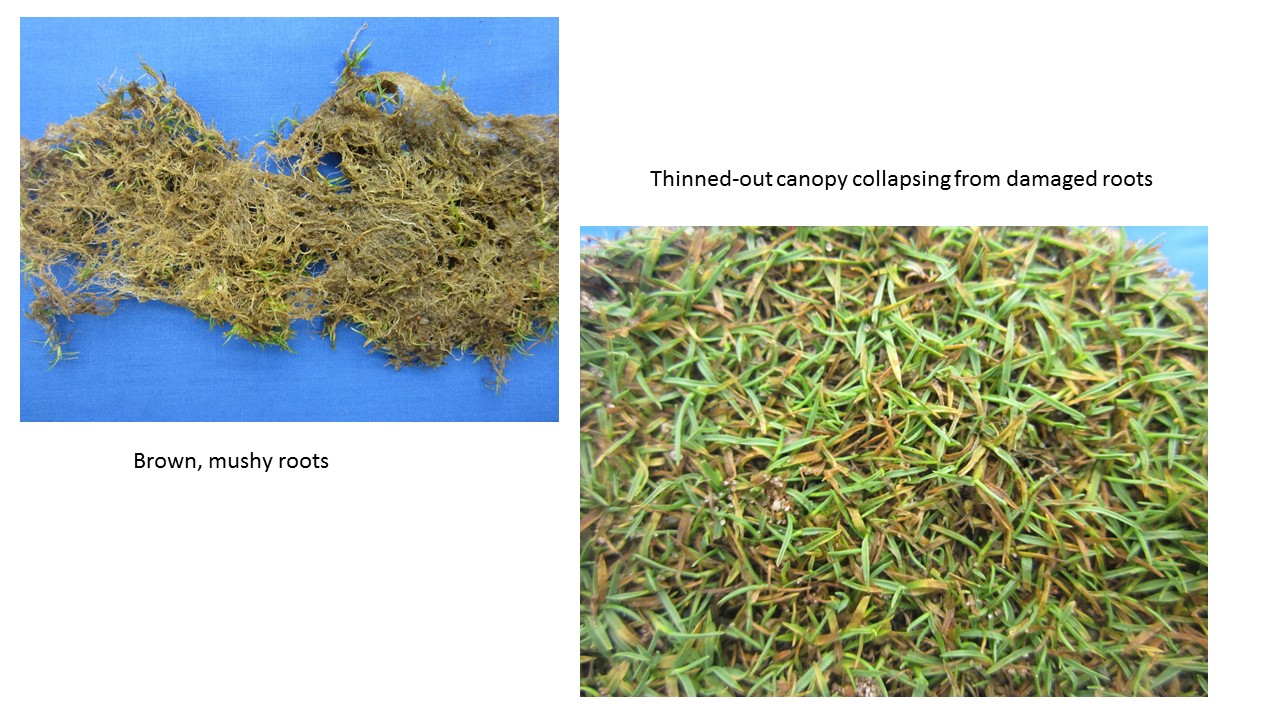
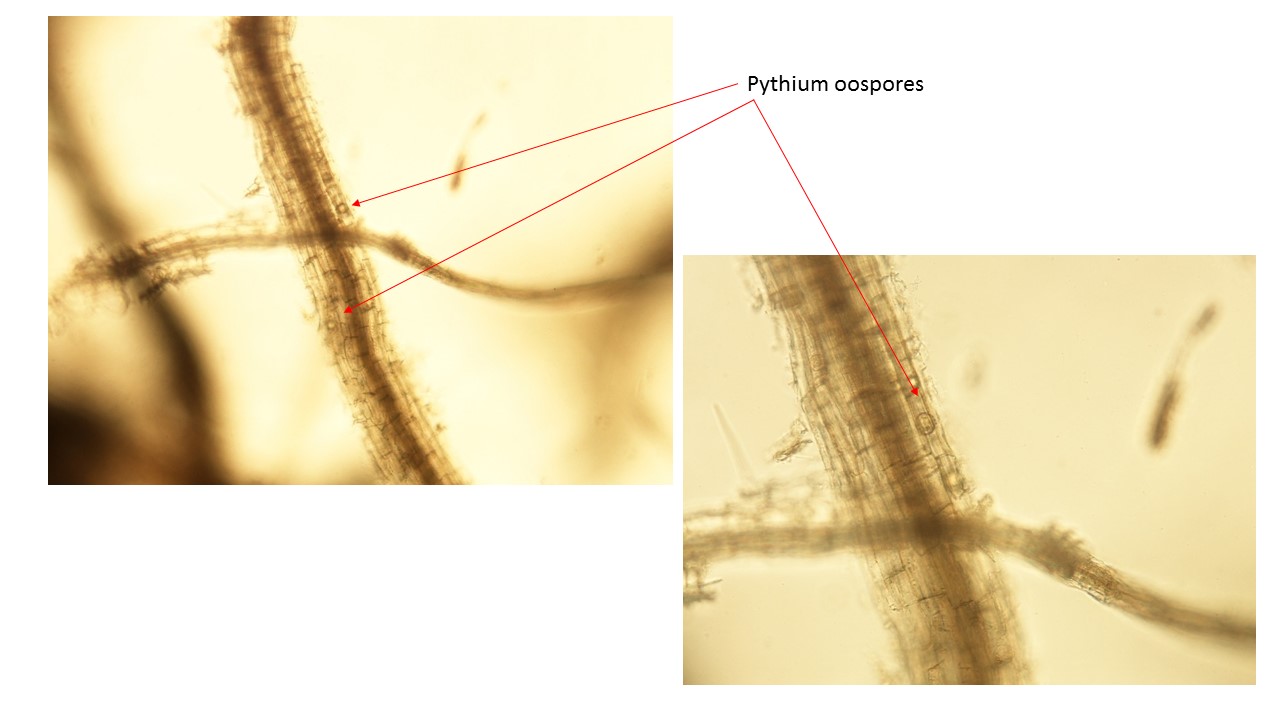
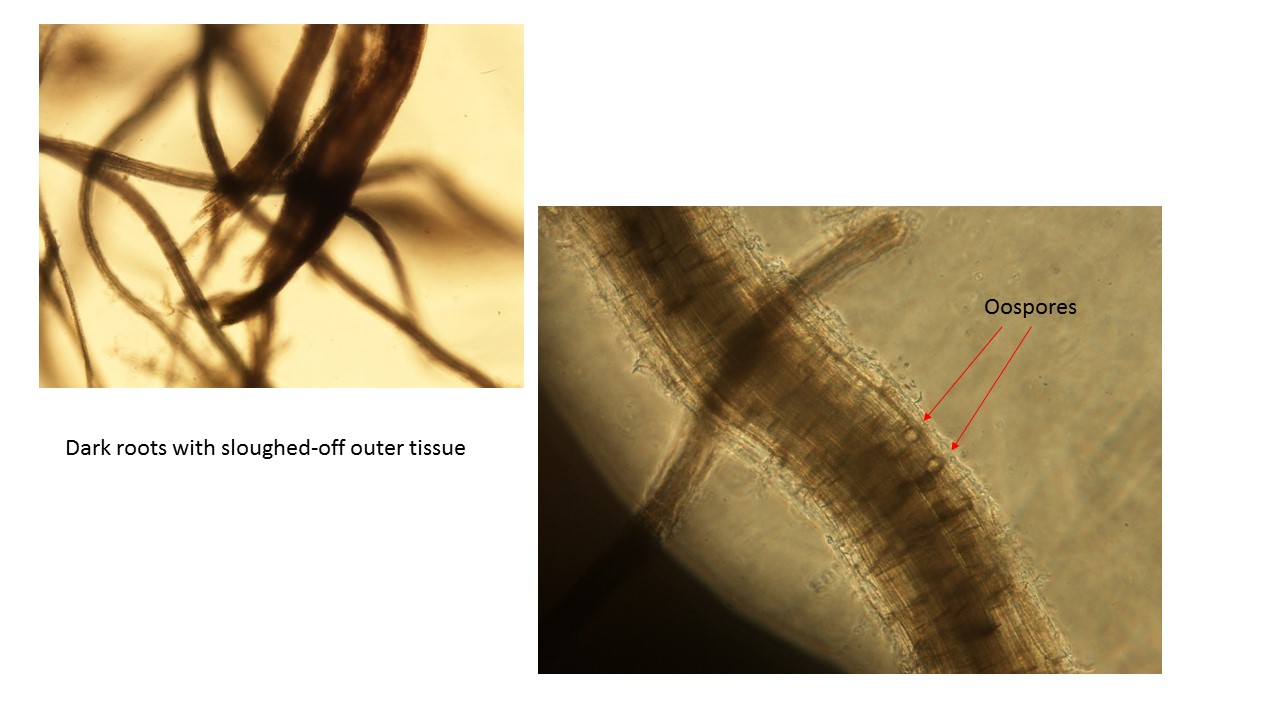
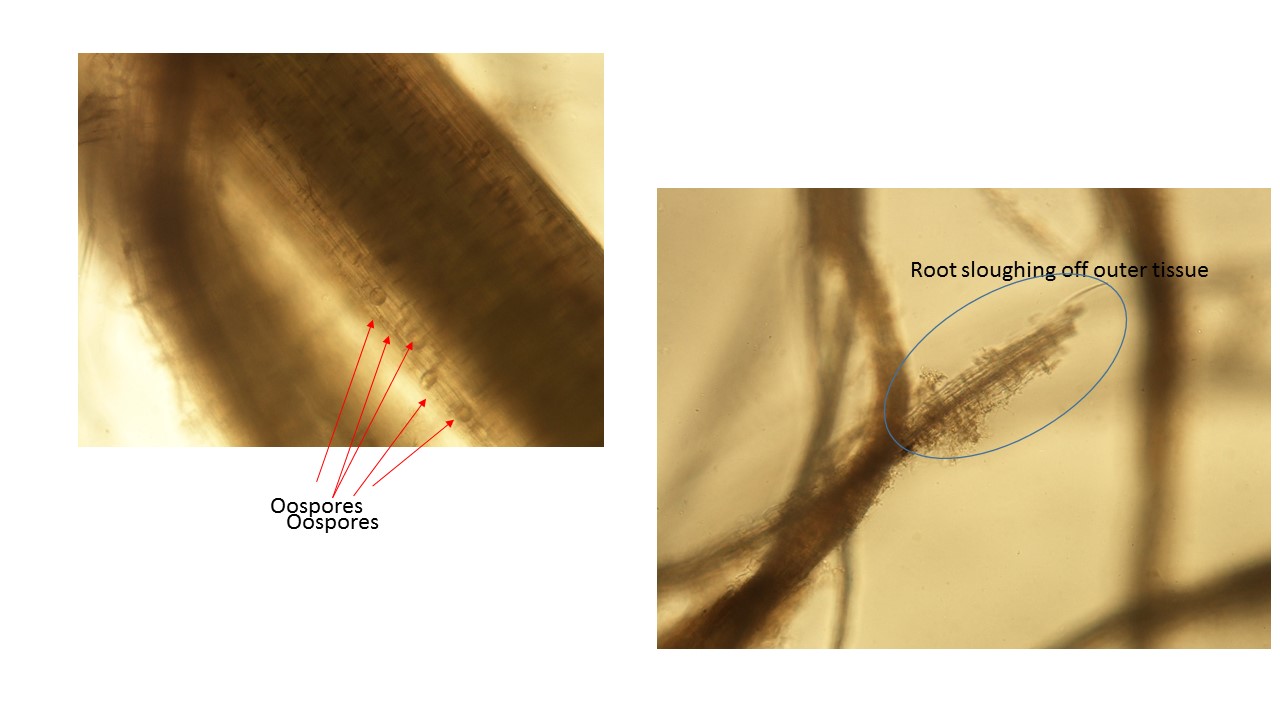
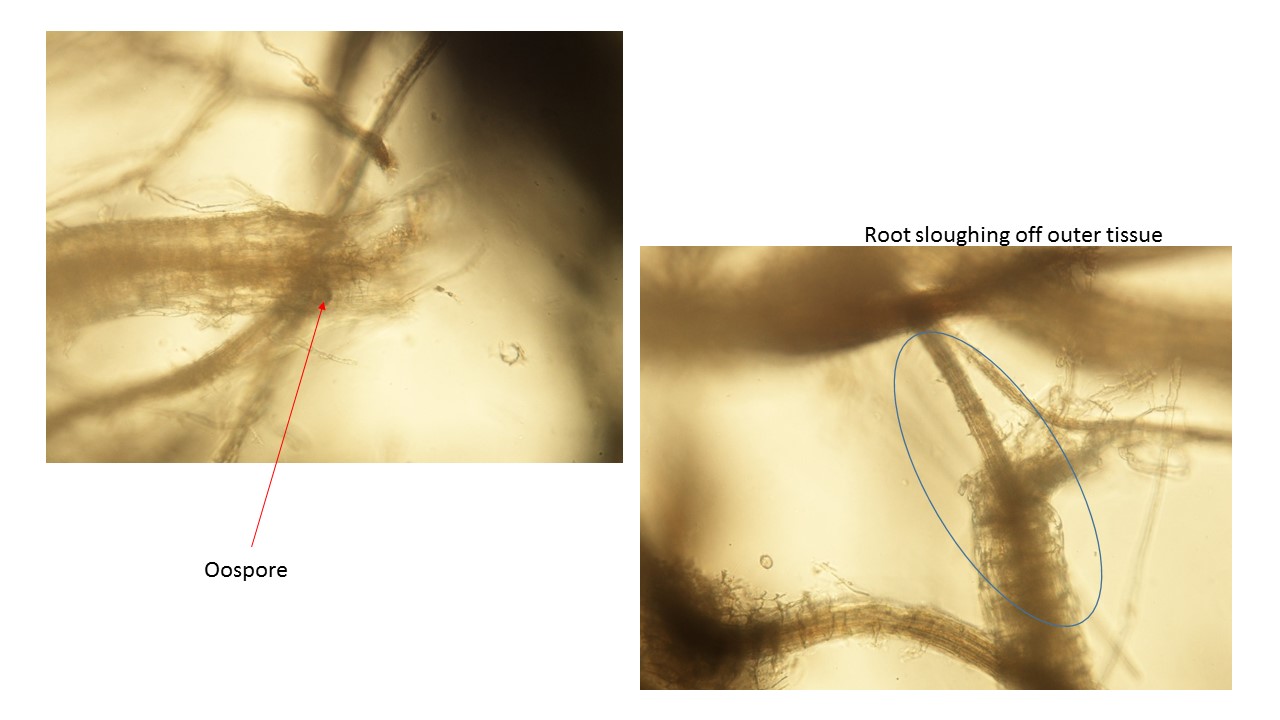
Most of the samples have shown layering, thatch, and a build-up of organic matter.  These can reduce drainage, and roots suffer from lack of oxygen. Furthermore, wet soils hold heat, so the turf gets a double whammy of wet + hot. Steam-cooked turf is not happy turf. I’ve seen some very unhappy roots lately. Some have Pythium root rot as well, some appear to be in serious decline just from the physiological stress.

We already posted a bunch of information about managing rootzones and some tips on what to do in the fall and in the future, so I won’t go into that here. Glance back at our recent posts. You might also like to read pages 6-7 on the following website by Paul Vincelli and Gregg Munshaw which discusses managing summer stress in putting greens:

http://www2.ca.uky.edu/agc/pubs/ppa/ppa1/ppa1.pdf

Here is some layering in several recent samples. I know it can be tough to convince golfers to let you aerify, but the consequences of NOT aerifying can be deadly when summer weather strikes.

032

002

This is an older push-up green with drainage issues in all this wet weather:

010 011

Here is a series of photos showing Pythium root rot and root decline symptoms:

Slide1 Slide2 Slide3 Slide4 Slide5

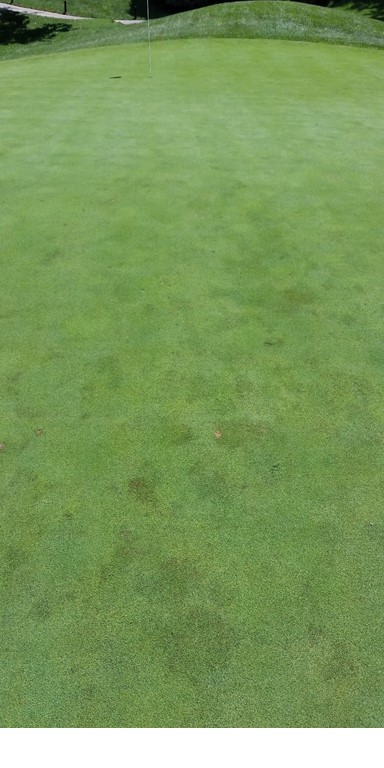
Here is a field shot of the site that goes with the microscope pictures above:

Presentation1

Here is one more set of photos showing layering and decline. This site had root decline, Pythium root rot, algae, and some anthracnose crown rot. Those factors all like to co-mingle and cause problems. This superintendent said they are working on improving some drainage and rootzone issues that built up over time.

021  027 IMG_20150730_100237320 IMG_20150802_083806451 IMG_20150803_113824539

Got perennial ryegrass? It’s the time of year to think about gray leaf spot

(Megan Kennelly, KSU Plant Pathology)

Gray leaf spot is a serious disease of perennial ryegrass that can quickly blight large areas of turf. The disease is caused by the fungus Pyricularia grisea. In Kansas, turfgrass managers with perennial ryegrass often spray fungicides preventatively right around now, in early to mid August, sometimes with a follow-up application (or 2) to provide protection through September, depending on weather. This year, I’ve heard some reports that people have seen activity earlier than usual, which is definitely possible with all the rain.

This disease can be so bad that a lot of golf courses have switched to other turfgrass species (zoysia, bluegrass, bent – though bent has some nasties, too) so that they don’t have to worry about it in their fairways.

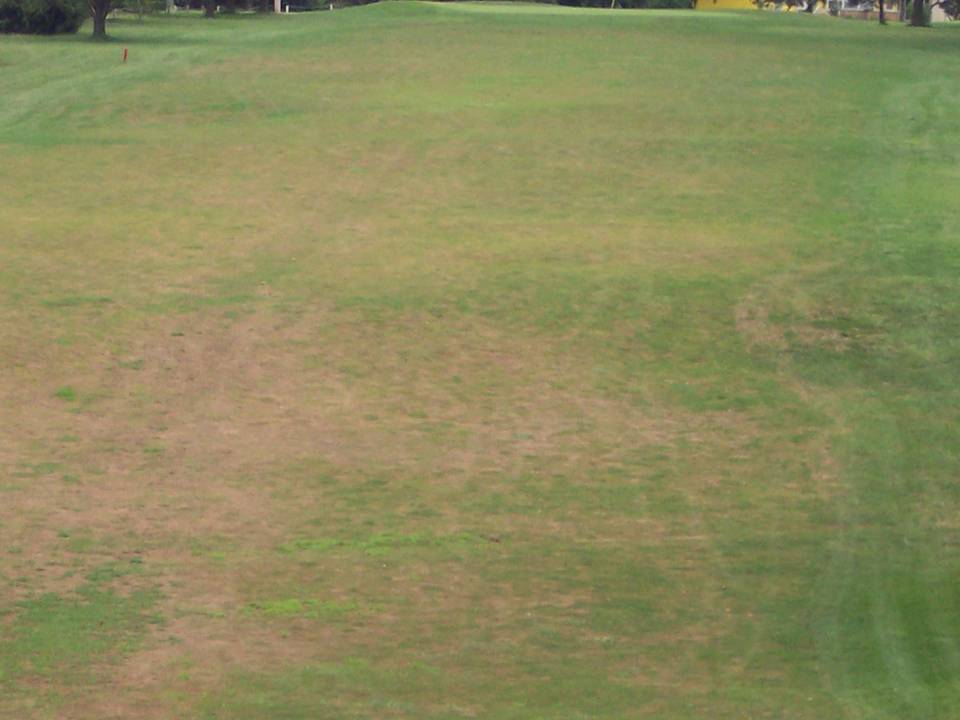
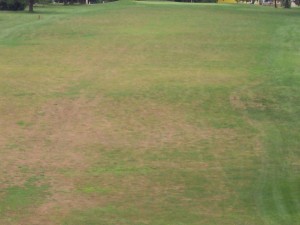
Here is a fairway that went from healthy to severely damaged in a short time, a couple of years ago. They switched to Kentucky bluegrass.
gls-cropped

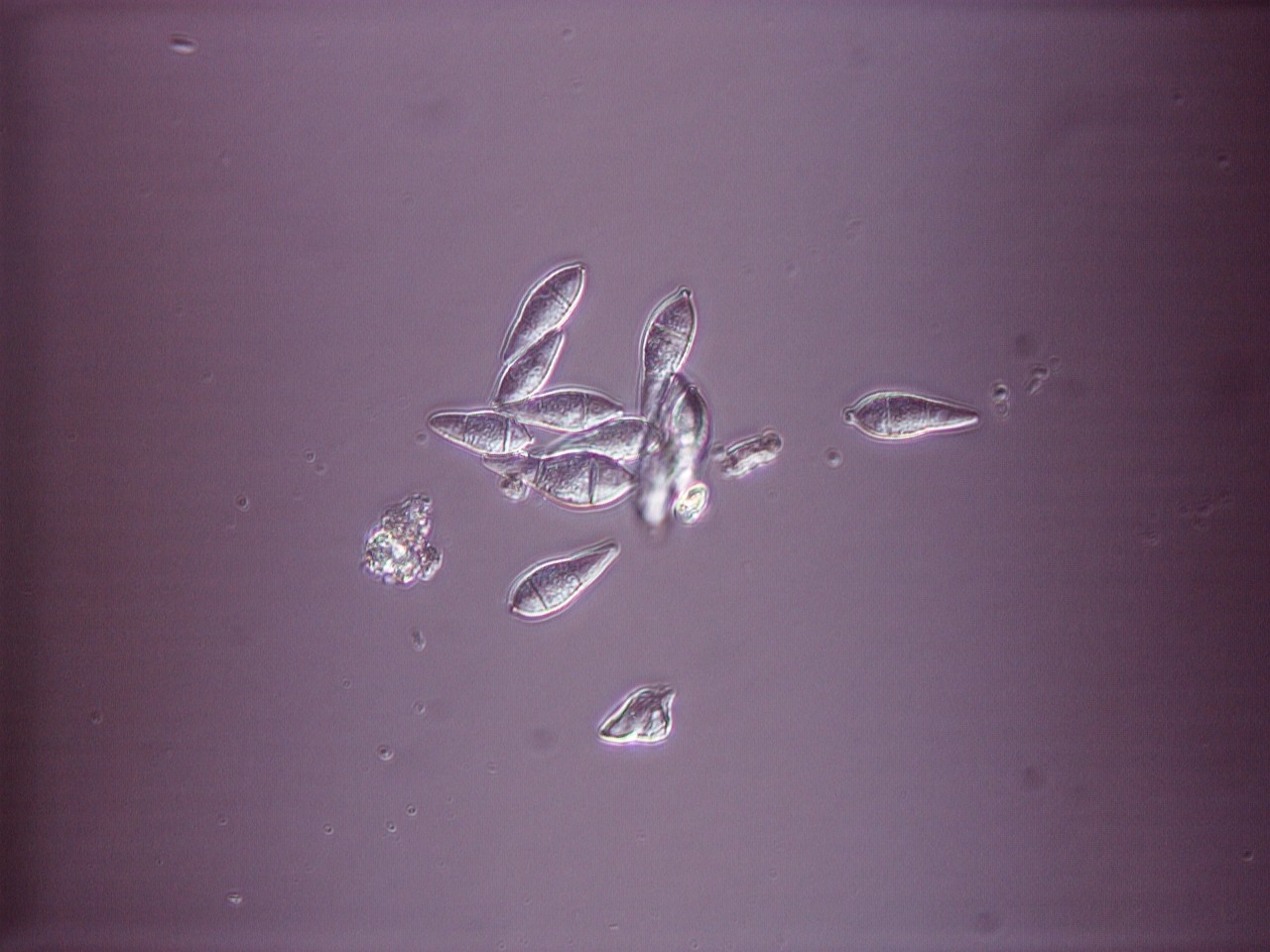
The fungus sporulates profusely and can spread fast when weather is conducive to disease (82-90 degrees with humidity and leaf wetness). Here are some of the spores in the microscope from a sample I got a couple of years ago:
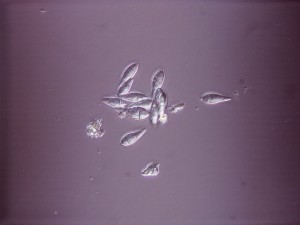
gray leaf spot wamego 2007

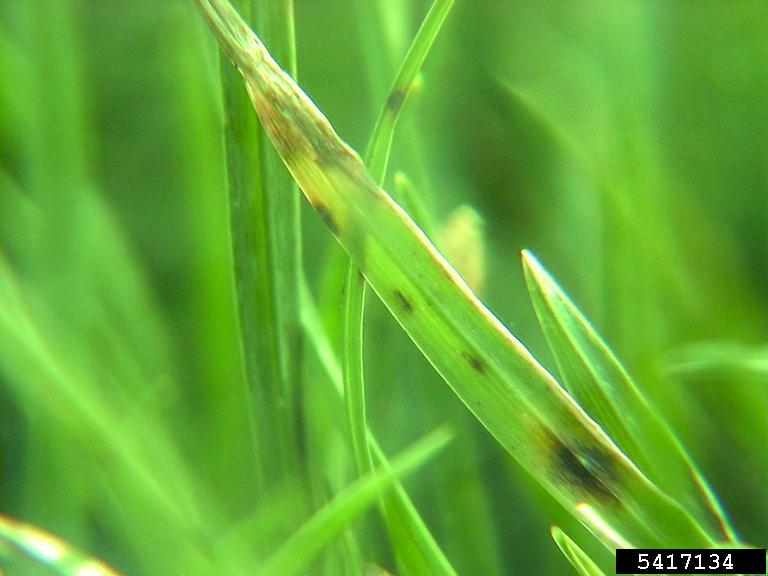
Early symptoms look like this – small leaf spots the color of a Hershey bar:
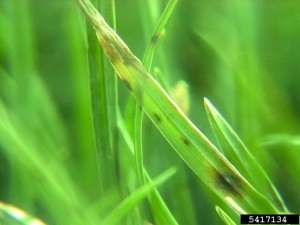
Fig1-Tisserat-spots-5417134-PPT

(Photo courtesy Ned Tisserat, Colorado State University, Bugwood.org)

The spots grow and develop a gray center.

If you are managing rye, you are probably already thinking about gray leaf spot, and maybe you’ve just done your first app or have it on the docket soon. For some more details on management and fungicides, check out the gray leaf spot section (starts on p. 13) in this publication:

http://www2.ca.uky.edu/agc/pubs/ppa/ppa1/ppa1.pdf

There are more photos and details on the disease at this website as well, from an excellent publication by Barb Corwin and my predecessor Ned Tisserat:

http://extension.missouri.edu/p/IPM1029-11#Grayleafspot

Now – I gotta get back into the lab. I’ve got some more sick turf, a dying chrysanthemum, and a really nasty potato (mushy and stinky – eewww) to deal with by the end of the day.

More info on physiological decline and diseases

(By Jared Hoyle; KSU Turfgrass Research and Extension)

One of my good friends on the other side of the river at the University of Missouri, Dr. Lee Miller, has posted some great information about physiological decline and updates on diseases that he has been seeing.

For more information on physiological decline/ wet wilt of bentgrass greens check this out – “Summer Rises” – (It’s at the bottom of the article)

http://turfpath.missouri.edu/reports/2015/update07_13_15.cfm

For more information on diseases and more specifically brown patch control see Dr. Miller’s most recent post – “Rhizoc, Rinse, Repeat” –

http://turfpath.missouri.edu/reports/2015/update07_28_15.cfm

IMG_2314


2015 KSU Turfgrass Research Reports Now Online!

(By Jared Hoyle; KSU Turfgrass Research and Extension)

Every year all the KSU Turfgrass Faculty, Staff, and Students prepare research reports for all the turfgrass managers out there.  The 2015 Edition is now ONLINE!  There is information from new zoysiagrass varieties, buffalograss establishment, moss control to watering practices.

Check it out here!

http://newprairiepress.org/kaesrr/vol1/iss6/


Whats new at #ksuturf farms in Manhattan and Olathe?

(By Jared Hoyle; KSU Turfgrass Research and Extension)

This summer has been a crazy one.  We have been getting ready for field day in Olathe on August 6th (Hope to see everyone out there! – Register here – http://www.eventbrite.com/e/kansas-turf-ornamentals-field-day-tickets-16109376579) but there are a lot of new projects that graduate students, faculty and staff are up to.  Here is just a list of what is going on and we will be talking more about it at field day and at Annual Turfgrass Conference in December!

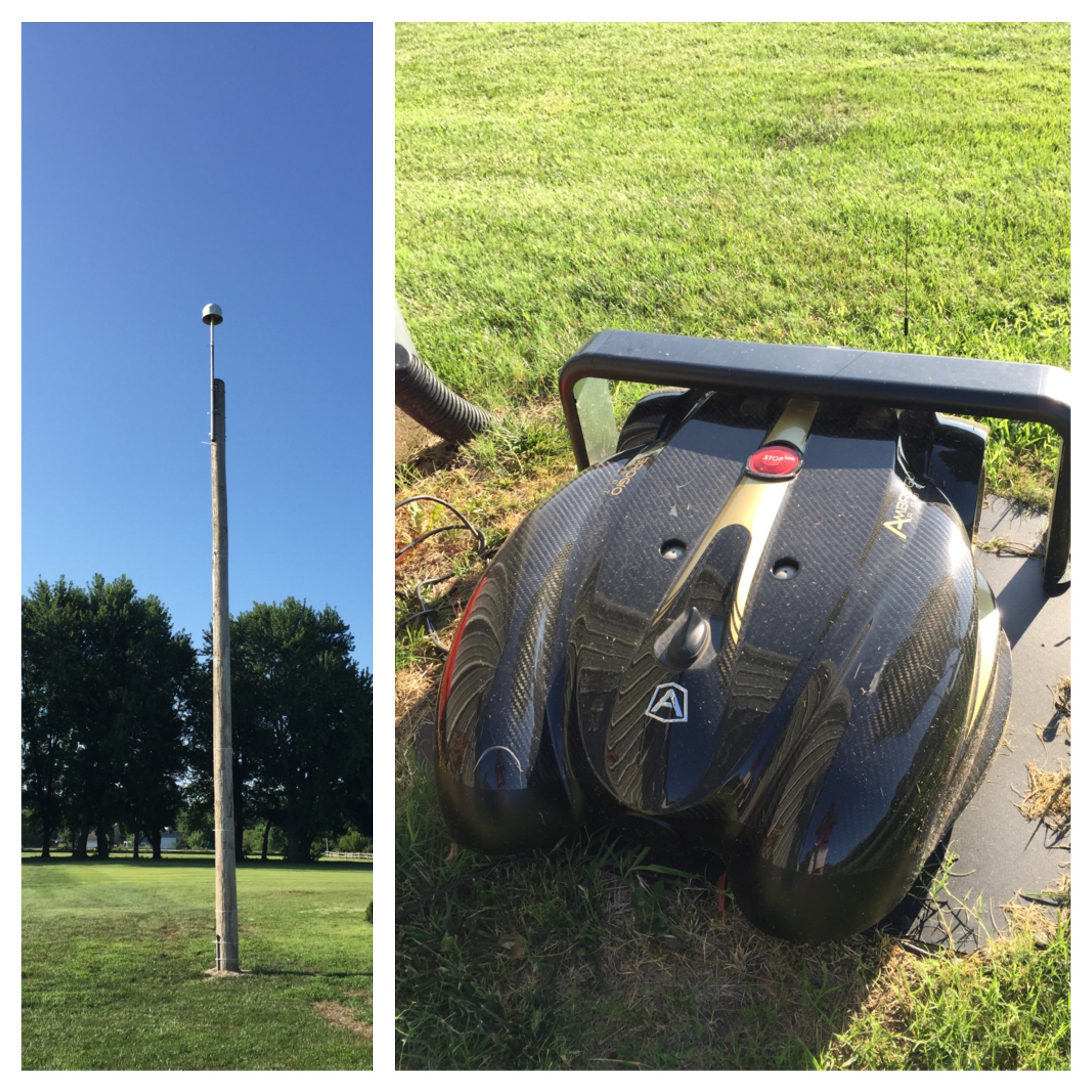
We have a new GPS navigated robot mower being tested out at Rocky Ford in Manhattan.

IMG_1082

Pre- and Post-emergent herbicide trials at Olathe and and Manhattan. (Photo form Olathe).

IMG_1062

Influence of tall fescue mowing height on crabgrass populations demonstration at Olathe.

IMG_1061

I have been traveling everywhere. (Had to throw that in there)

IMG_0953

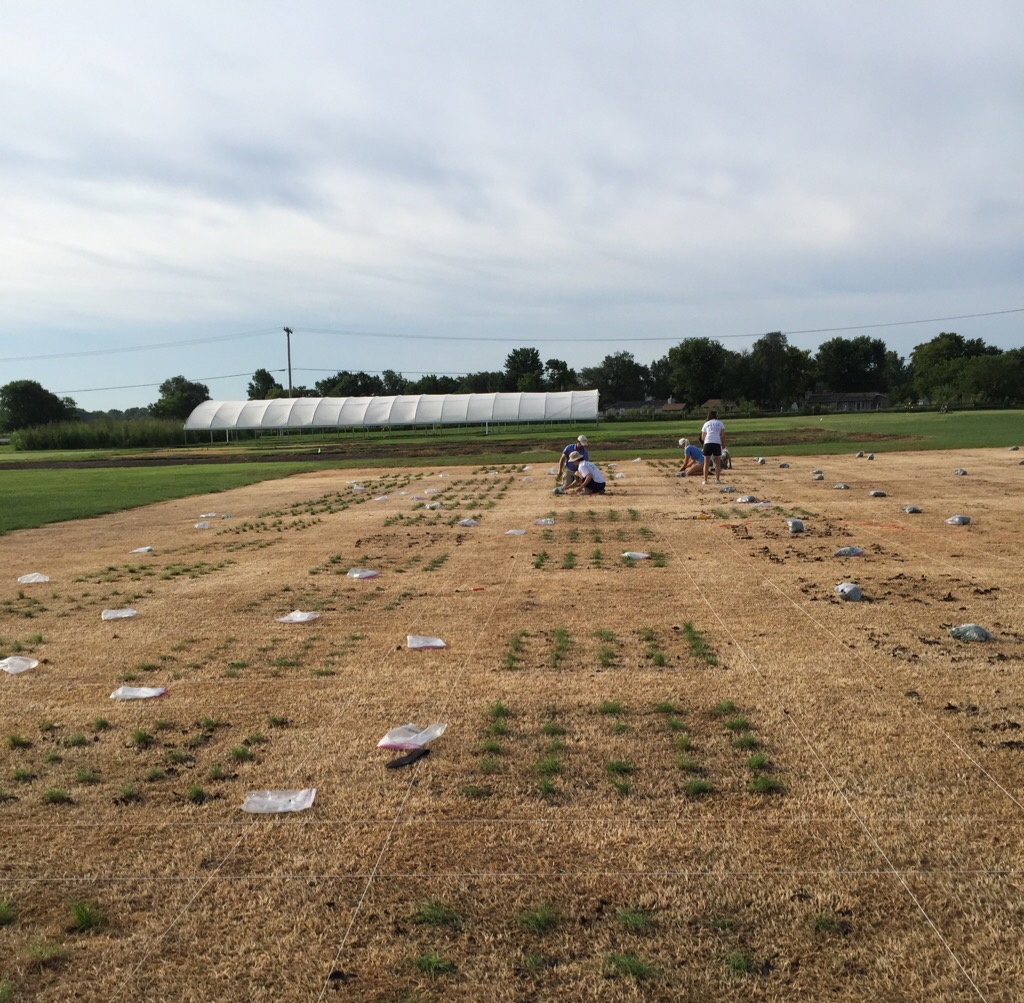
New zoysaigrass variety trials at Rocky Ford in Manhattan.

IMG_1019

Ross Braun (KSU Turfgrass PhD Graduate Student) has been evaluating multiple turfgrass species, mowing height and traffic in drought conditions.

IMG_0958

Evan Alderman (KSU Turfgrass MS Graduate Student) installed a new fairway (5/8″) of ‘Cody’ buffalograss at Rocky Ford.

IMG_0954

There is a new ornamental herbicide testing facility installed at the forest research center in Manhattan to evaluate potential turfgrass herbicides to ornamental plants.

IMG_0935

The use of adjuvants with Pylex  and triclopyr combination demonstration trial at Olathe. Brown patch control research trial was installed at Olathe this summer. New granular products for broadleaf weed control (Olathe – Photos not shown).

Dr. Bremer and Ross Braun (KSU Turfgrass PhD Graduate Student) has been studying greenhouse gas emissions under drought conditions at Rocky Ford.

IMG_0817

More traveling…

IMG_0769

Lastly, I would like to congratulate Dr. Zane Raudembush for completing his PhD this past spring.  Good luck in all your do Zane.

IMG_0714

This is not all of what have been going on but just wanted to share some of the pictures of some of the new things that are going on here in the KSU Turfgrass Program.

Don’t forget to come out to field day August 6th and see some of the research that we have been conducting.  Thanks and have a great rest of the week!

Jared


Recent turf problems – a few photos

(Megan Kennelly, KSU Plant Pathology)

It’s mid-July, and much of Kansas continues to be pretty wet. Here are some recent turf issues I’ve been seeing and hearing about. I won’t go into details – this is just a photo collection for now.

(1)Brown patch in tall fescue lawns.

When you get all sweaty just from dragging the trash can down the driveway out to the curb on trash day, you know it’s brown patch season. Here are some symptoms in my neighborhood.

011 012 008

(2) Summer patch

023 020 022

Summer patch is a root disease of Kentucky bluegrass. Infection occurs in the spring, when soil temperatures hit 65. Symptoms pop out in mid-summer, when those poor plants with their compromised root systems just can’t take it anymore.

(3) Dollar spot

Sometimes dollar spot checks out during the summer, if conditions are hot and dry. We’ve had enough warm/wet weather to keep it rolling. Here are some photos in Kentucky bluegrass as well as in creeping bentgrass, especially in highly susceptible varieties.

dollar spot in low and hi cut029 028

(4) And, “it’s not a disease”

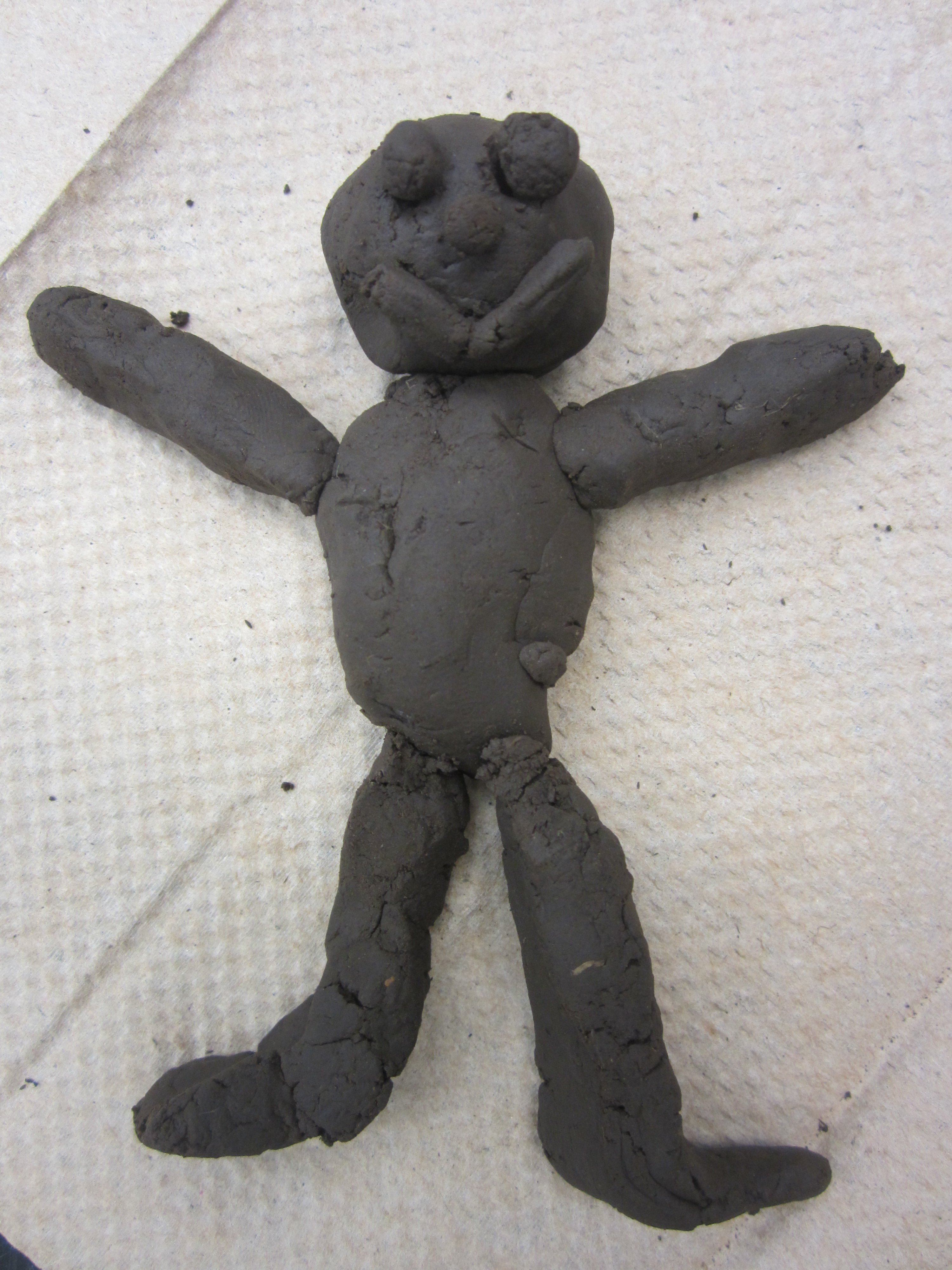
Turf sites with heavy clay soils, low areas with poor drainage, and shady sites = high stress. I received a sample the other day with some of the heaviest clay I’ve seen in awhile. It was so clay-ey that I took a moment to sculpt it into this little soil person:

025

If your soil is heavy enough to use in art projects, you may have a problem. As you look forward to fall, think about aerification, drainage improvements, reducing shade, and other practices to improve conditions in tough sites.

Smut on the internet. (Wait – what? Oh – leaf smut)

(Megan Kennelly, KSU Plant Pathology)

The following photos were kindly shared with me by Peter Orwig, Agronomist with Ryan Lawn and Tree (thanks Peter!).  You can click to zoom and see the symptoms close up.

Peter-Orwig-stripe-smut-2015-05-07 08.34.32  Peter-Orwig-stripe-smut2015-05-07 08.34.46 Peter-orwig-stripe-smut-2015-05-07 08.35.51 Peter-Orwig-stripe-smut-2015-05-07 08.36.57

There are several “leaf smut” fungi that occur in turf. The most common is stripe smut, but flag smut also occurs. The disease causes stunting and yellow or gray streaking along the leaves. Eventually those streaks rupture, releasing powdery masses of smutty, sooty black spores. When a plant is infected, it is infected systemically, for life. Infected plants are more susceptible to drought and other stresses.

Flag smut and stripe smut are difficult to tell apart at the plant level, but they are easy to distinguish in the microscope. Smut fungi can look similar, but they are different in various ways, including host range. For example, flag smut occurs in Kentucky bluegrass but not annual bluegrass. And the flag smut that occurs in Kentucky bluegrass is different from the flag smut that occurs in wheat and other grasses. In Kansas, we see leaf smuts most often in older varieties of Kentucky bluegrass. The best way to prevent leaf smuts is to use improved variety blends with resistance to these diseases. Spring and summer applications of nitrogen may increase smut, so focus on fall applications if smut is a problem. In addition, smut-infected turf might need to be babied along during times of drought. If smut is severe, your best bet might be to just start over with newer resistant varieties.

*If you come across smut in turfgrass, send me an email (kennelly@ksu.edu) because I’m  interested to collect some this year. *

A rainy spring meets a rainy summer. A cornucopia of turfgrass diseases

(Megan Kennelly, KSU Plant Pathology)

We are at the junction/transition of spring to summer. Large patch is still raging in the zoysiagrass. Dollar spot is active in bentgrass and other susceptible turfgrasses, especially in susceptible varieties. In addition, we’ve had some nights with lows in the upper 60’s or low 70’s, and that can mean brown patch activity. It’s a busy time for diseases. As one of my colleagues said, “It’s a fungusy sort of year here in Kansas.”

With all the rain, it’s been hard to keep up with the mowing. We are feeling it at Rocky Ford, with Cliff and the students busy mowing whenever they can sneak it in. And, it’s hard to spray fungicides when it rains every other day. I put out a trial this past Monday since it was the only day that looked clear. Good thing it was not on the agenda for yesterday, when we had 3 thunderstorms in the same day!
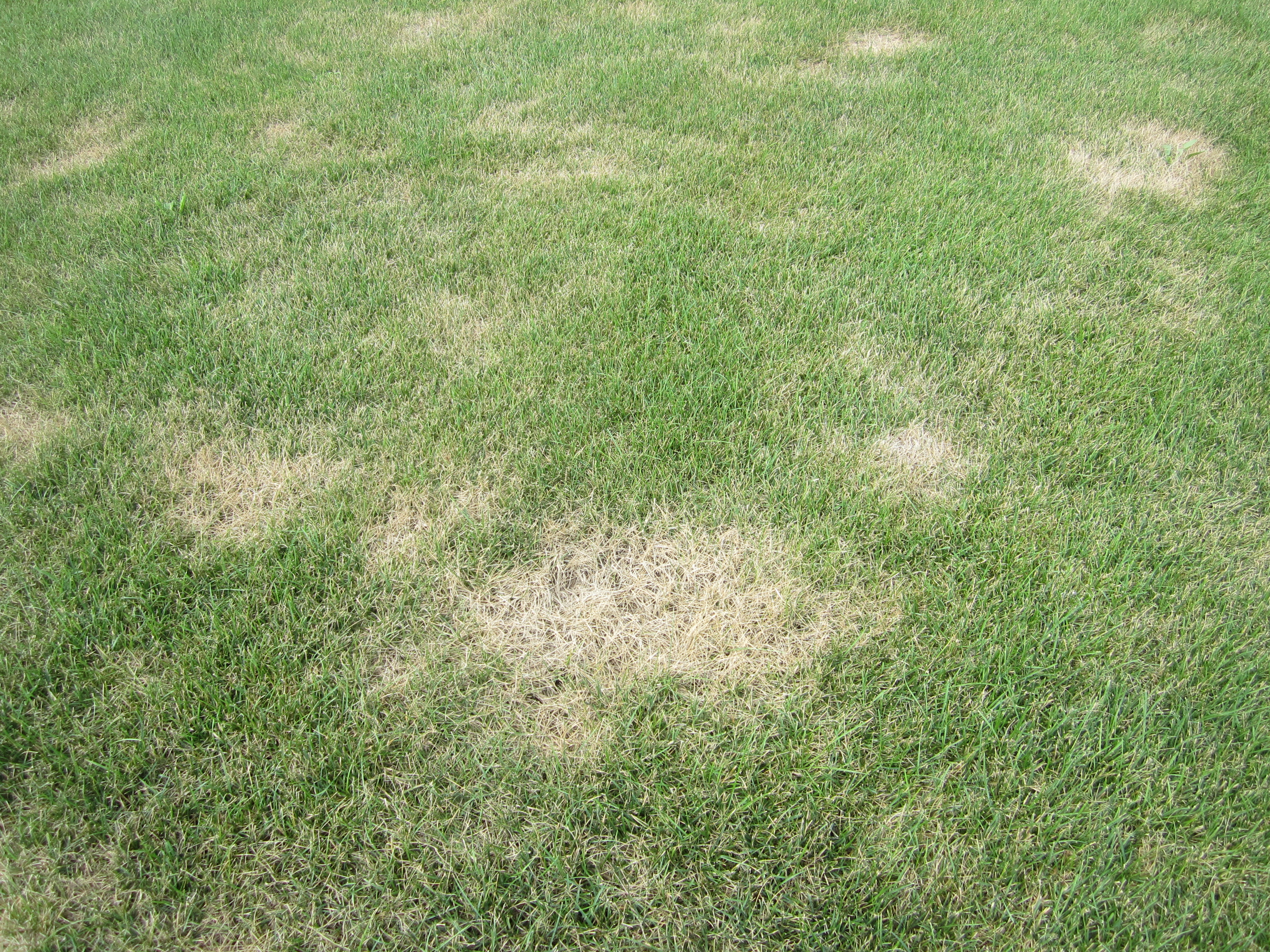
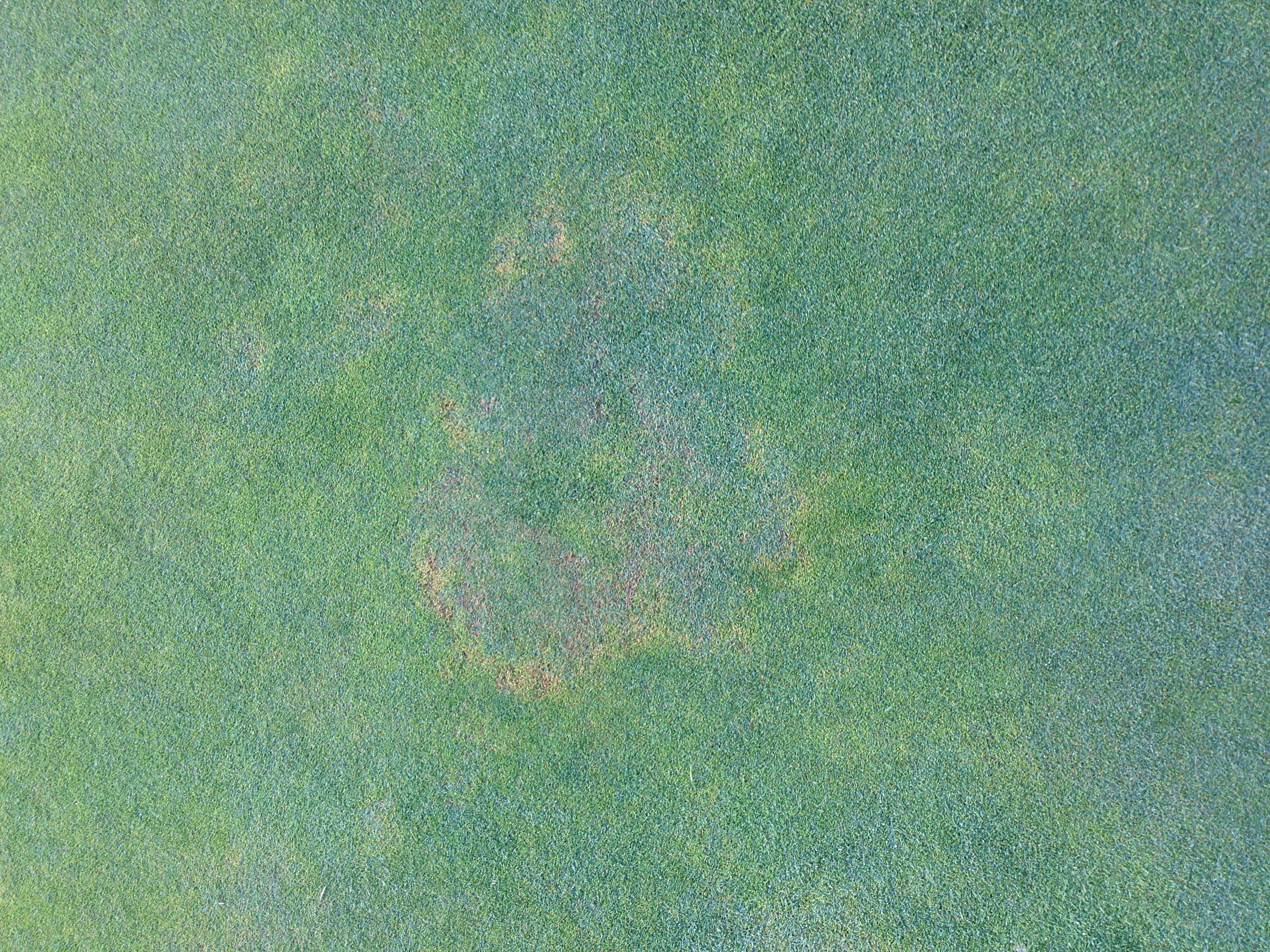
Large patch is still rolling in the zoysia:

IMG_4630

Dollar spot is active:

dollar spot

Brown patch might not be far behind:

IMG_5656

With all the wet, saturated soils there could by Pythium root rot as well:

Copy of pythium-bentrass-2006

(Pythium spores stained pink in the microscope).

As a final note, I’ve gotten some questions and photos recently about algae.

IMG_2617 IMG_2618

Like other weeds, algae likes to take advantage of thinned out turf. Saturated soils and poor root growth can thin out the turf, and algae loves wet conditions. If you didn’t know where your drainage problems were, algal growth can point the way. There are some fungicides labeled for algae, but addressing the underlying site issues is key.
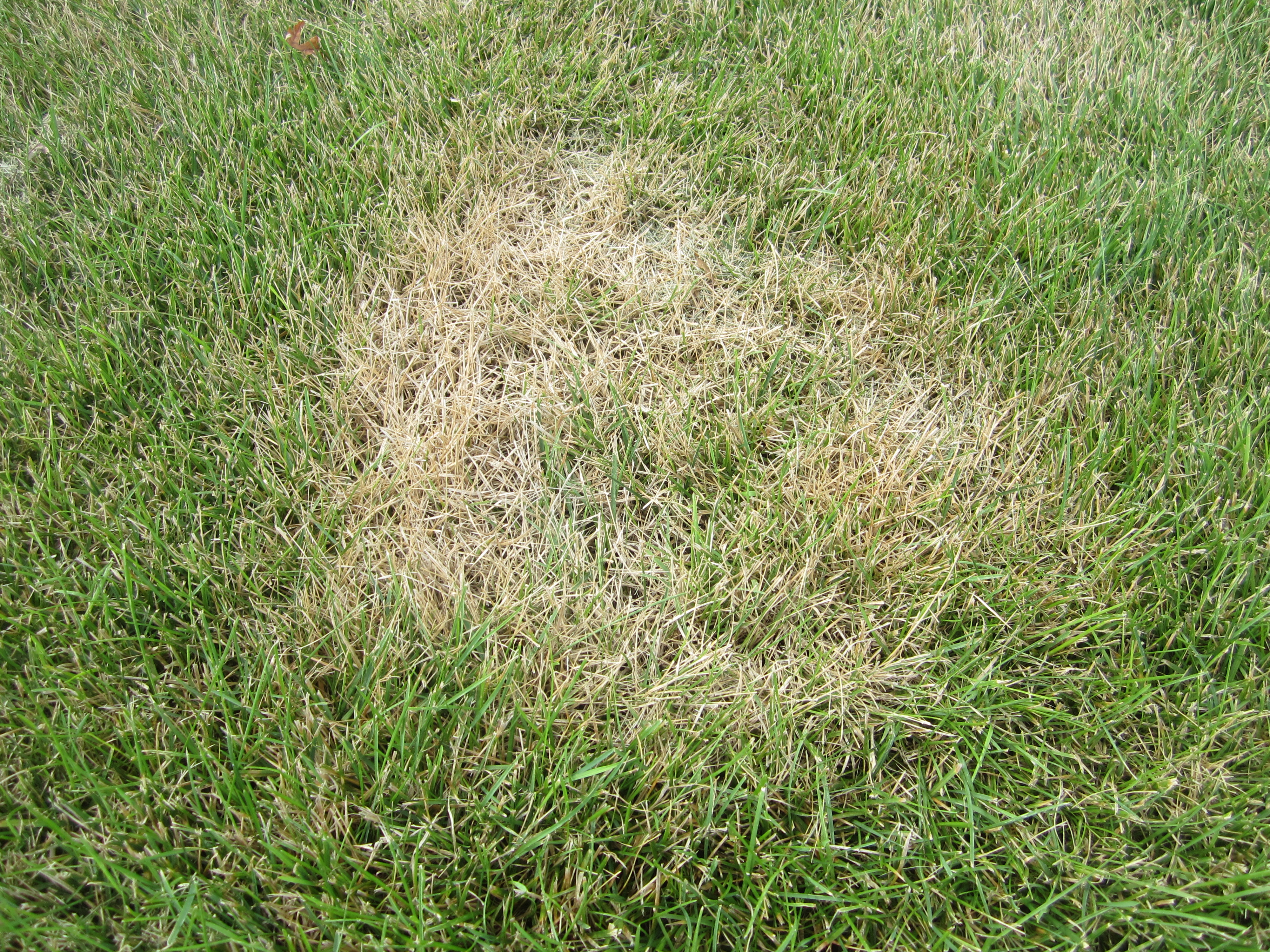
For a list of fungicides for algae, check HERE and go to page 7.