(By Jared Hoyle, KSU Turfgrass Research and Extension)
What a crazy Spring… It has been nice and mild with plenty of rainfall here in Manhattan. But as soon as we start to complain about the rainfall we need to make sure that we are sticking to the basics when it comes to taking care of our home lawn. In the recent Horticulture Newsletter, Ward Upham, talks about some of the issues that homeowners are facing with the cool and mild Spring including; how often to water the lawn, too wet to mow, Thatch control in warm season turfgrass, fertilizing warm season turfgrass, and more…
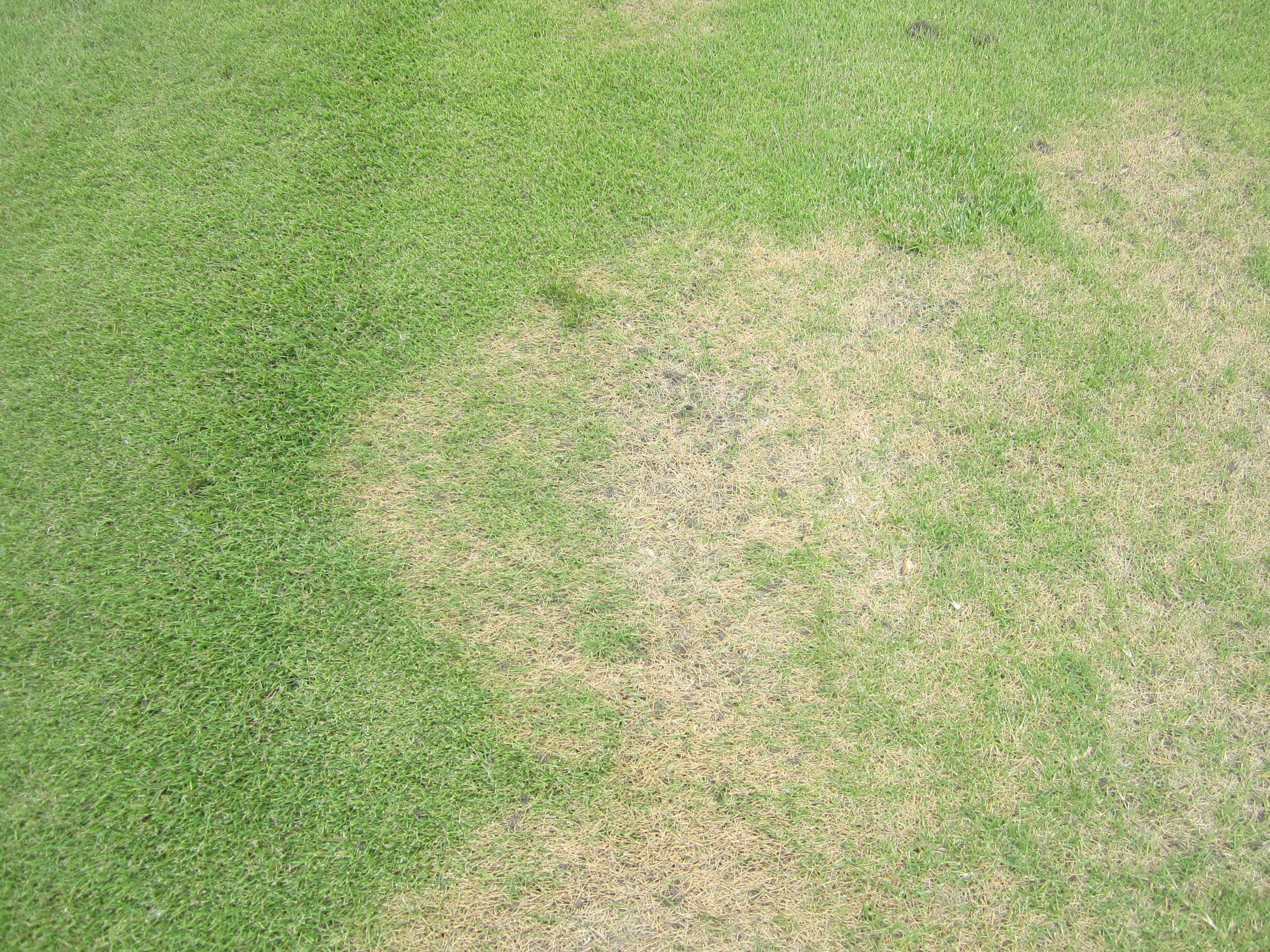
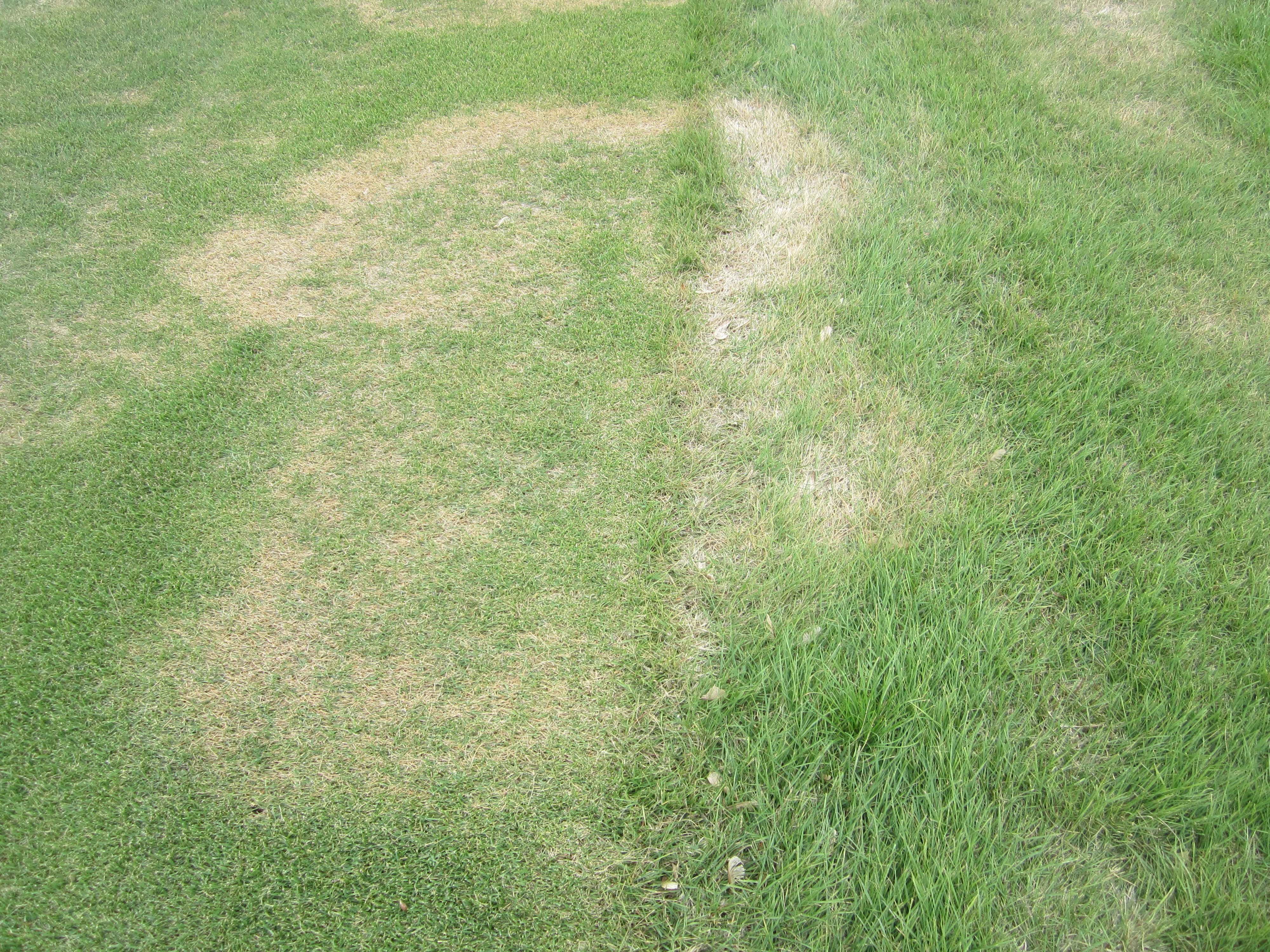
With all the recent rain, large patch in zoysiagrass is definitely active. I’ve already posted some info, here are just some more photos to show symptoms at Rocky Ford. The top two are at fairway height, and the bottom shows the disease at two mowing heights.
If you see these diseases, you may be eager to try something this spring, but the best time for fungicides is in the fall.
At KSU we’ve had good results for large patch with 1-2 fall applications. That is, fall applications have carried all the way through the following spring. Spring applications can reduce the disease but are not as effective as fall applications. There is ongoing research in the turf research community to try to optimize application timing, though, including with our colleague Dr. Lee Miller at U of Missouri.
With spring dead spot, application success has been more spotty here, but again fall has proven more effective. However, sometimes fall applications just don’t work. Cultural practices are critical, and the link above shares some great tips. Just page through to the spring dead spot section.
One very useful thing to do this spring is to take photos and map the diseased areas so that you can target those areas this fall. With large patch, I know several superintendents who only spray the known “hot spots” instead of entire fairways, with good success.
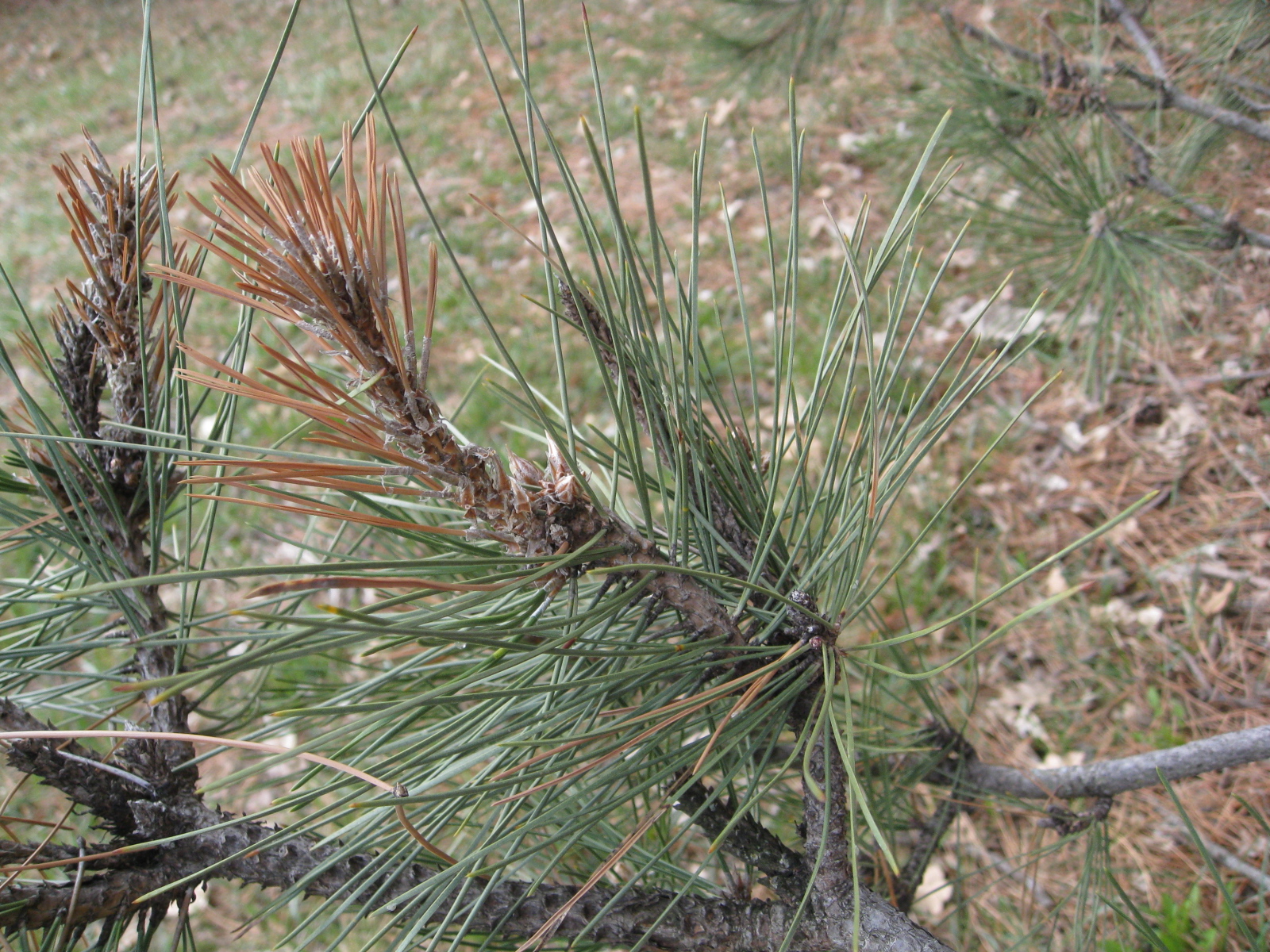
The classic symptom of tip blight is stunting and browning of new shoots and needlesThe classic symptom of tip blight is stunting and browning of new shoots and needles
Pine tip blight is a fungal disease that can affect Austrian, Scots, ponderosa, and mugo pines. The disease is most severe on mature trees (20 years or older). Repeated infections over several years can kill large sections of trees or entire trees. Here are some Frequently-Asked-Questions about tip blight.
1) What is the pathogen?
Tip blight is caused by a fungus that has been called both Sphaeropsis and Diplodia over the years. The current name is Diplodia. Don’t let the name changes trouble you. The most important consideration is to recognize the disease, and to be able to distinguish it from other pine problems such as Dothistroma needle blight or pine wilt. To learn more how to compare/contrast those diseases, you can check out this page: http://www.ksre.ksu.edu/bookstore/pubs/l722.pdf
2) When does pine tip blight occur?
Tip blight is a spring disease. The fungus survives the winter in previously-infected tissue. Then, during spring rains, the fungal spores splash around and infect the newly developing pine shoots (candles) just as they start to grow (usually in mid-late April).
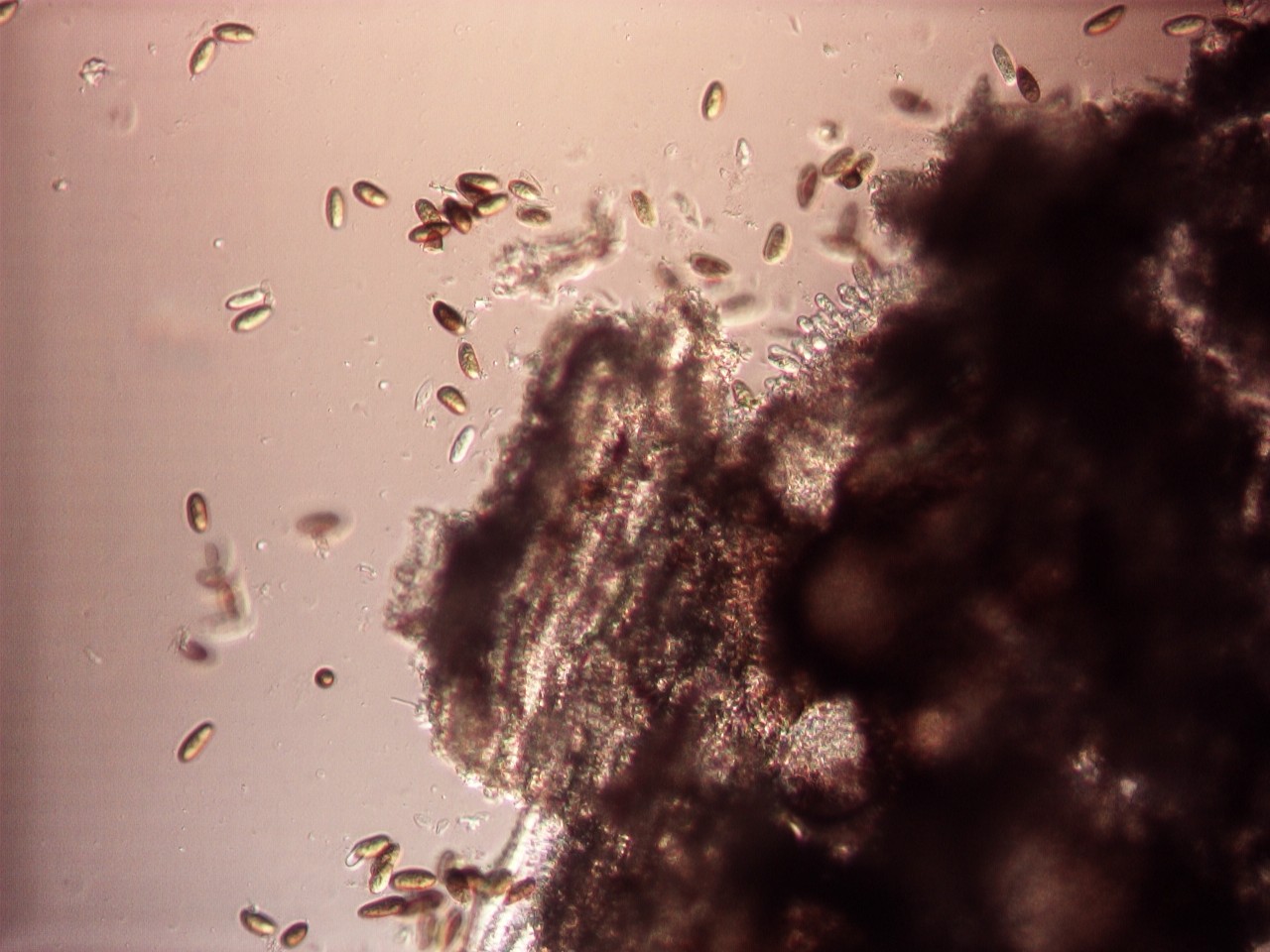
Pine tip blight spores in the microscope. Spores are spread during spring rains, and they infect new shoots.
3) What are the symptoms of pine tip blight?
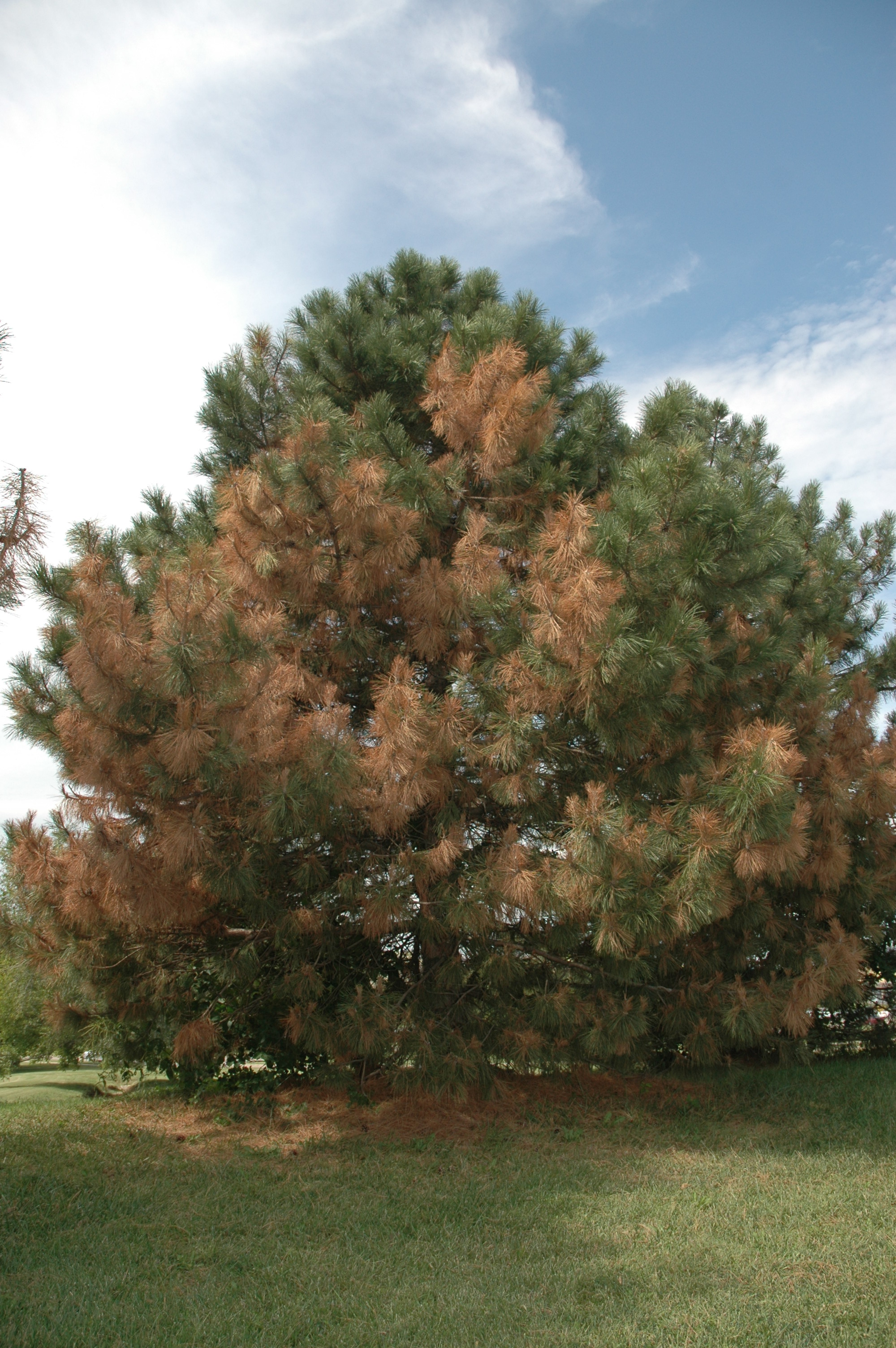
The symptoms become obvious in late May or early June when the infected shoots and needles are not growing right. The shoots are stunted, and the emerging needles are stunted and brown – see the photos at the top of this post. Small, sticky resin droplets often form on the infected needles. The damage usually starts in the lower branches and works its way up over several years. In trees that have been repeatedly infected for many years, damage is distributed throughout the crown.
In addition to infecting the newest growth, the fungus can invade older tissues when trees are highly stressed or if they are wounded (by hail, storm damage, etc).
Tip blight can affect older wood along with the newest shoot tips. This photo shows both.In this tree, the tip blight fungus has invaded some older parts of the wood, resulting in major tree damage.
Interestingly, white pines are not susceptible to the tip blight phase, but they are susceptible to this “canker form” of the disease if they are wounded.
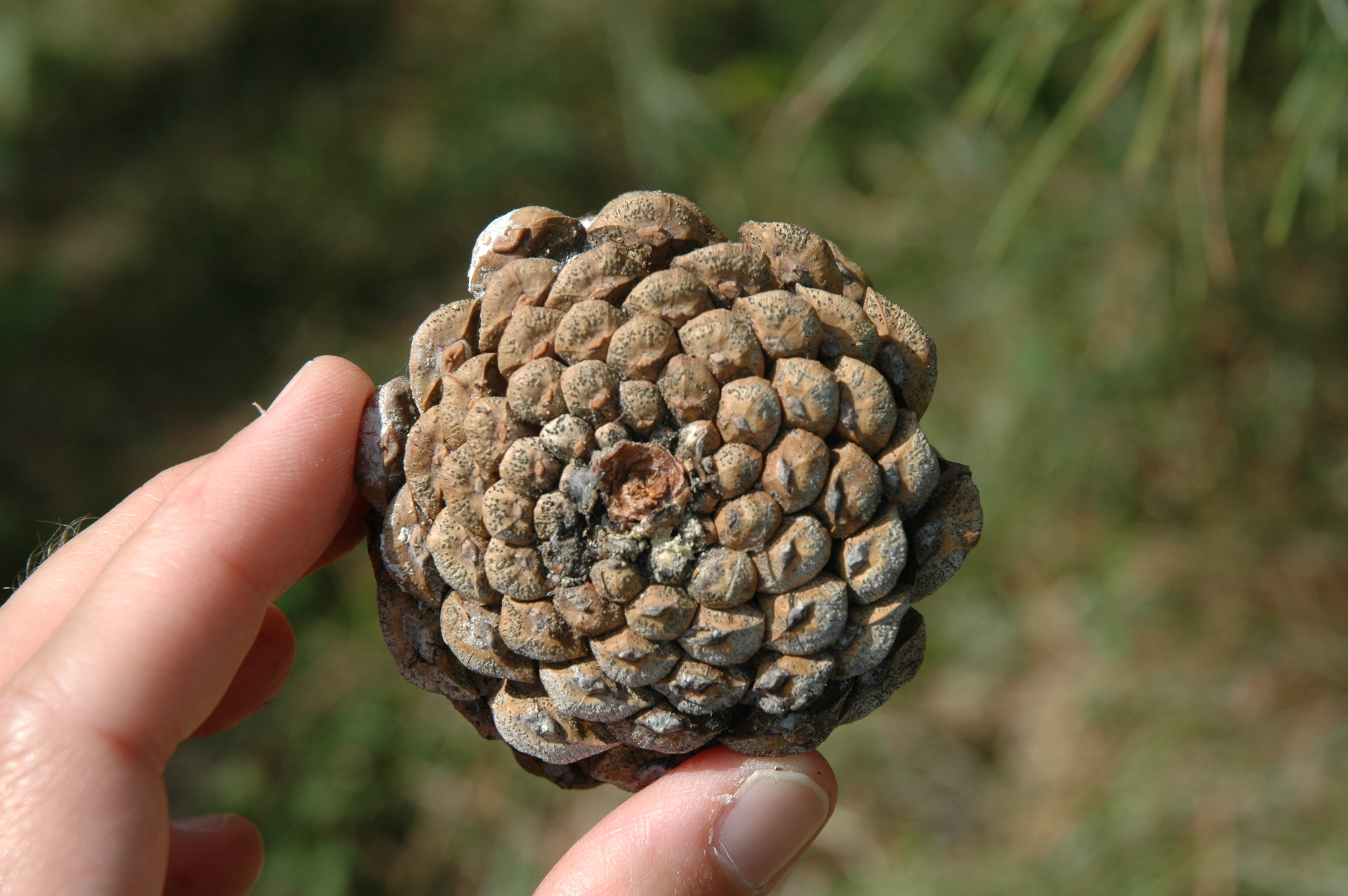
In late summer or fall, tiny black spore-producing structures (called pycnidia) are formed on the scales of 2-year-old cones — it looks like black pepper has been shaken onto the undersides of the cones.
Tip blight on cones. Click to zoom, and you’ll see black specks. Those are the fungal spore-producing bodies.
Tip blight can be confused with winter damage or infestation by the pine tip moth. However, winter damage usually causes shoot or needle death before the new needles emerge in the spring, and it is sometimes restricted to one side of the tree (the side facing the prevailing wind). Unlike tip blight, the tip moth causes a hollowed-out area in the tip/bud area, and the larvae are sometimes present. Plus, tip moth is more common in young trees. The timing and pattern of symptoms, and the age of the tree, can help you with the diagnosis.
In extreme cases tip blight can be confused with pine wilt. To avoid confusion, look carefully at the symptoms and compare them to the descriptions and photos here and in other resources. Pines can be infected with both diseases simultaneously. If there is any doubt, bring a sample to your local K-State Research and Extension office to be forwarded to the K-State diagnostic lab.
Managing tip blight:
4) Does pruning help?
Removal of dead branches can improve the appearance of diseased trees but will not prevent infection. Many of the spores are produced on cones that remain attached to the tree. In addition, tissues that look healthy can secretly harbor the tip blight fungus. That is, there are “hidden infections” that we can’t even see. Usually, pruning for tip blight means pruning off lower branches first, since they tend to be the first to become infected. Then the pruning task moves up the tree as the disease progresses over the years. If a tree reaches a point where it is no longer pleasing or functional for the site, “one-cut pruning” (ie, tree removal) might be the best possibility.
5) What other tree care should I provide?
Trees should be adequately (not excessively!) watered to maintain tree vigor. This will help a tree fight off tip blight on its own. When a tree is drought stressed it has less energy and resources to put into defenses against pathogens.
6) Should I use a fungicide?
This is a tricky question. The trouble is, unlike smaller plants like wheat, tomatoes, or soybeans, there aren’t many studies out there to tell us about tip blight “thresholds.” As a general rule, if a tree has at least 30-50% of branches infected, the fungus is pretty well entrenched and it will be difficult for fungicides to really knock the disease down. And, if there is a lot of “canker” type infection in older wood, it is hard for fungicides to work. If a smaller portion of the canopy is affected, and it is mostly the “tip-blight” phase, fungicides are more likely to be successful over time. Finally, consider the aesthetics and site-enhancing value of the tree. In trees where the disease is caught early, and fungicides are used at the right time each year for multiple years, the disease can be managed successfully and it might be worth the investment.
7) Okay, so what is the right time for fungicides?
The critical time for fungicides is when the new shoots are expanding in the spring. If fungicides are applied at this time, new disease can be prevented. It is not a one-shot-deal, however, and not even a two-shot-deal. Fungicides will likely be needed each year to protect new annual growth. Each year, the first application should be made when new shoots start to elongate, which is usually around the third week of April. The tree should be sprayed again 10 to 14 days later, and possibly again 10 to 14 days after that if it is a wet year and the site has a history of disease. The timing should be adjusted slightly depending on host development in the spring, since every year is different. Spraying after this critical time will not be effective, because infection has already occurred and cannot be “cured.” Once you see symptoms it is too late.
8) What should I spray, and how should I spray it?
Several fungicides are labeled for pine tip blight. Thorough coverage is essential. A high-pressure sprayer may be needed to deliver the fungicide to the tops of tall trees. Homeowners should consider using a professional tree care service, especially for large trees where getting good coverage is difficult. Some fungicides (active ingredients) are listed on the last page here:
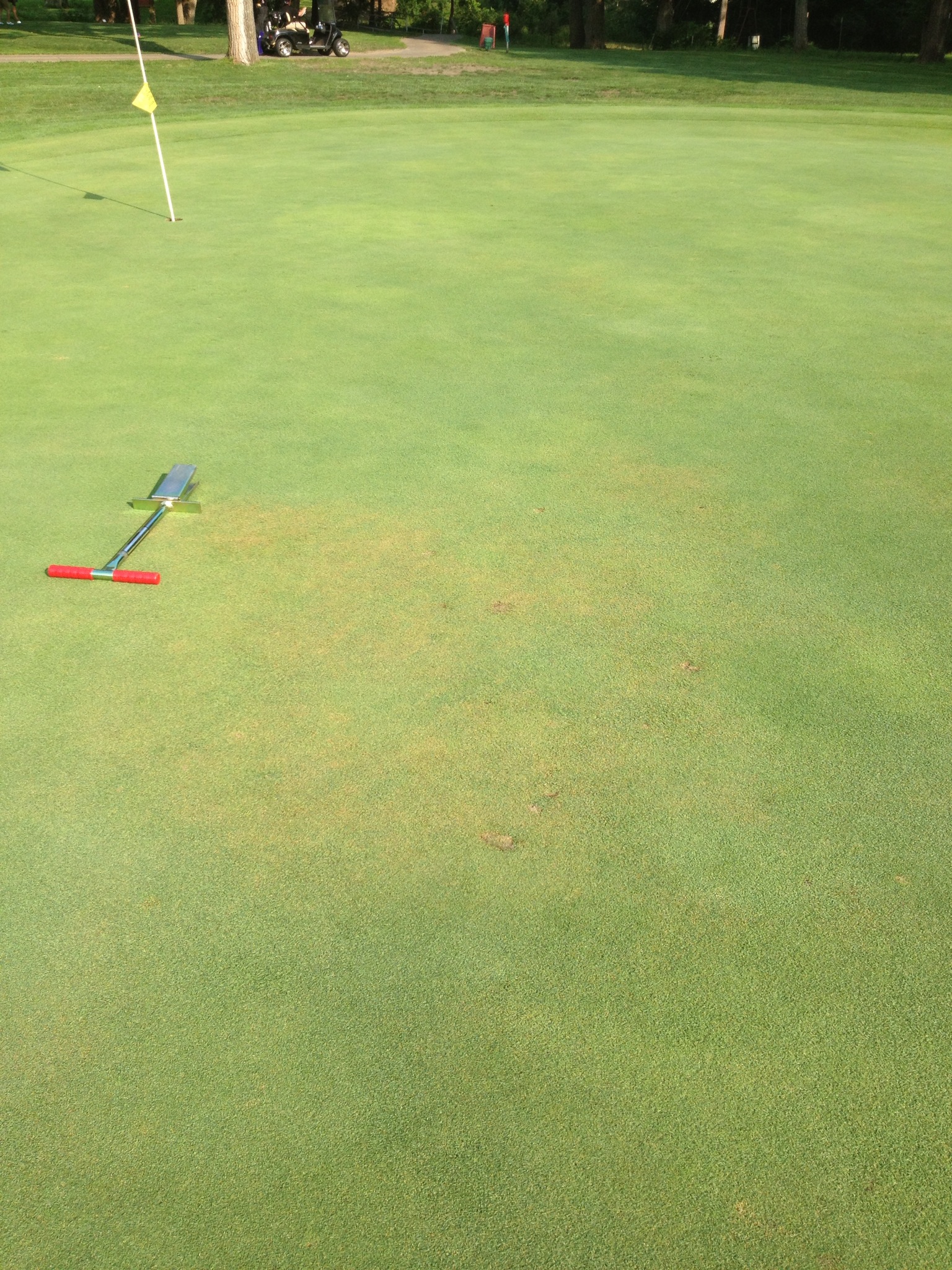
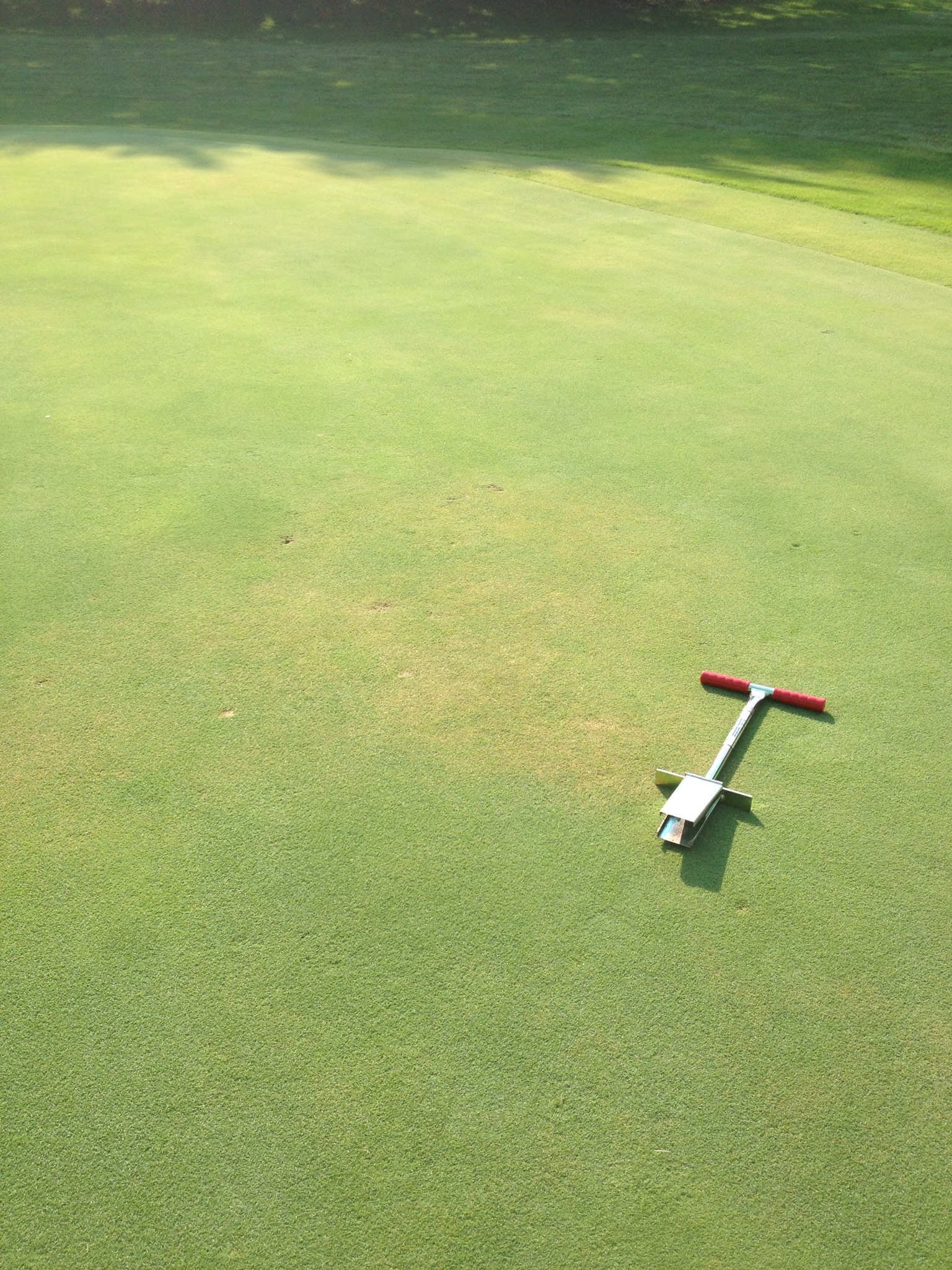
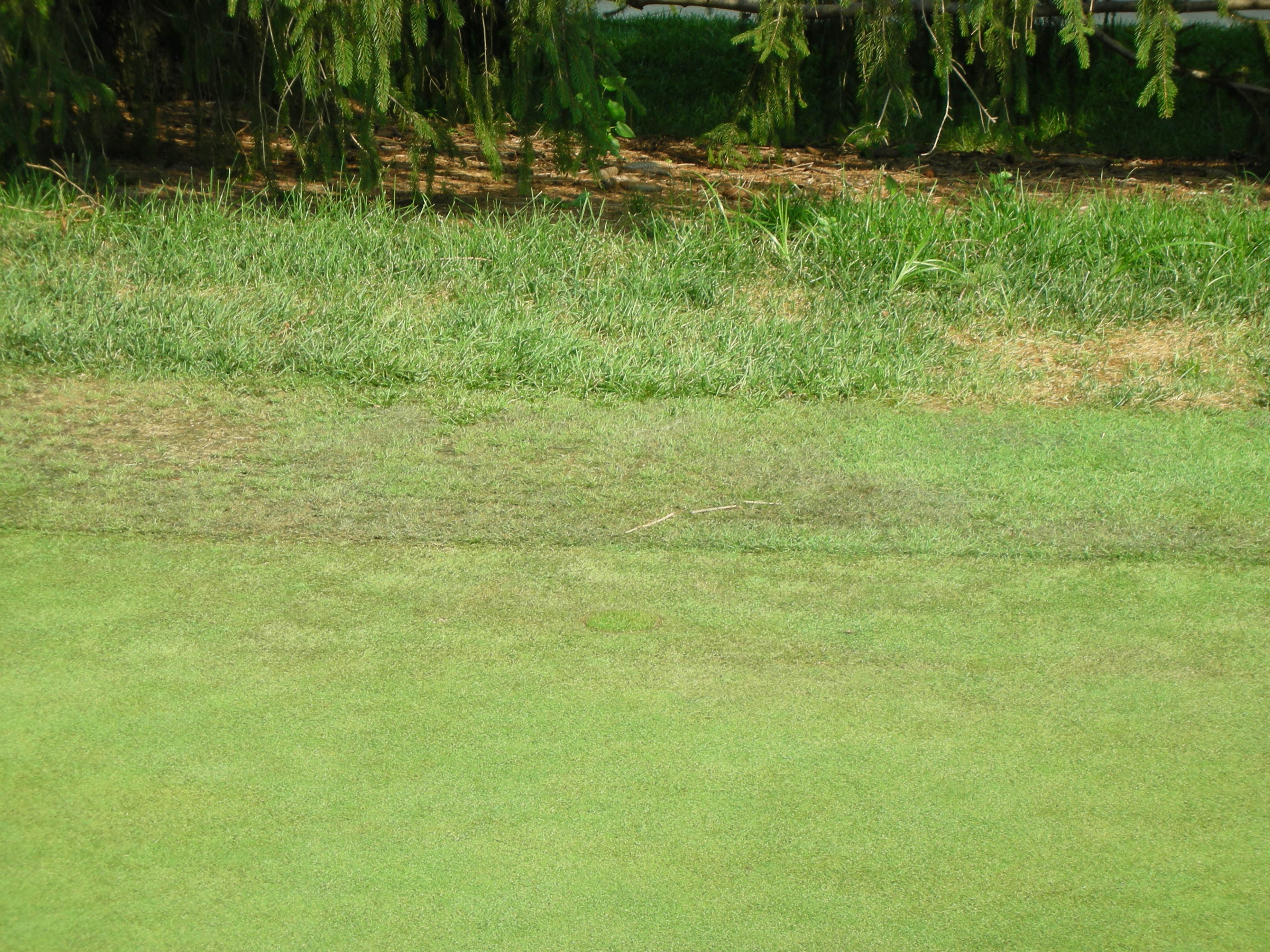
Here is a sight that no superintendent wants to find on their course.These photos are from July/August of recent years.
Courtesy Dr. Jared HoyleCourtesy Dr. Jared Hoyle
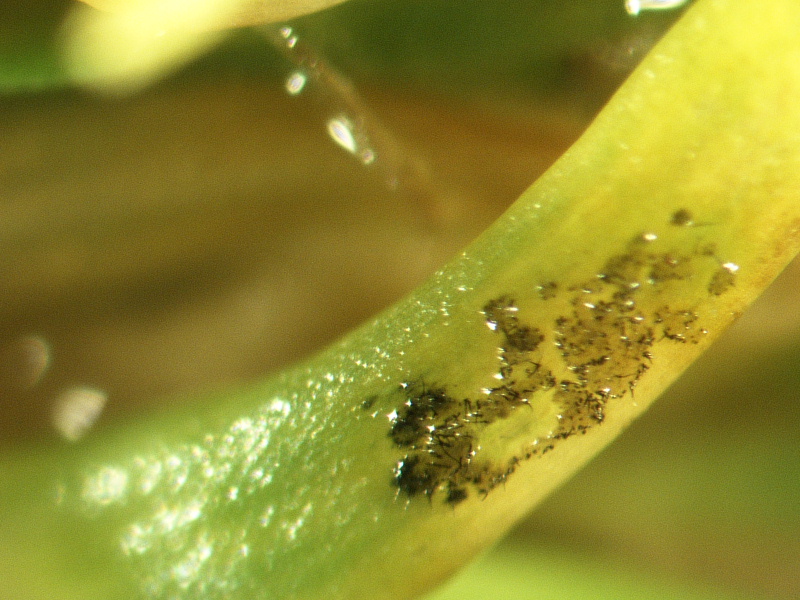
What is this problem? It’s hard to tell just based on photos, but after follow-up testing in the lab, we determined this is anthracnose, an important fungal disease in putting greens.
How does nitrogen (timing and amount) affect anthracnose?
Does rolling increase anthracnose? What about foot traffic?
How does irrigation impact anthracnose – should I run the turf wet or dry to prevent it?
Over the past few years, a team of turfgrass researchers has been conducting experiments to answer these questions. The have developed a science-based list of best management practices (BMPs) for turfgrass anthracnose. Various researchers studied the effects of nitrogen, potassium, mowing, rolling, plant growth regulators (PGRs), irrigation, topdressing, aerification, foot traffic, and fungicides. Based on that work, they developed a set of recommendations.
Rather than copy all the text into this page, I’ll provide the link below to their BMPs (it’s 2.5 pages – detailed, but concise and easy to understand), then add a few comments and photos.
Here in Kansas, the samples of anthracnose that I have seen were usually associated with the “risk factors” identified in the BMP list – low mowing, keeping N low to keep things “lean and mean” before a tournament, poor drainage at the site, etc.
Okay – anthracnose is more likely during summer stress. Why am I talking about this NOW?
It’s important to keep the BMPs in mind all season long, not just when you are already into a stressful time of year. Managing the turf holistically, all-season long, will help reduce your risk of this disease. As you’ll see in the BMP’s, it’s mostly a set of good agronomic practices, too. There’s nothing on that list that is out-of-bounds with routine good agronomy. And, you don’t necessarily have to do EVERYTHING on the list but I’m sure you will find some practices that fit with you and your site and budget.
(By Jared Hoyle, KSU Turfgrass Research and Extension)
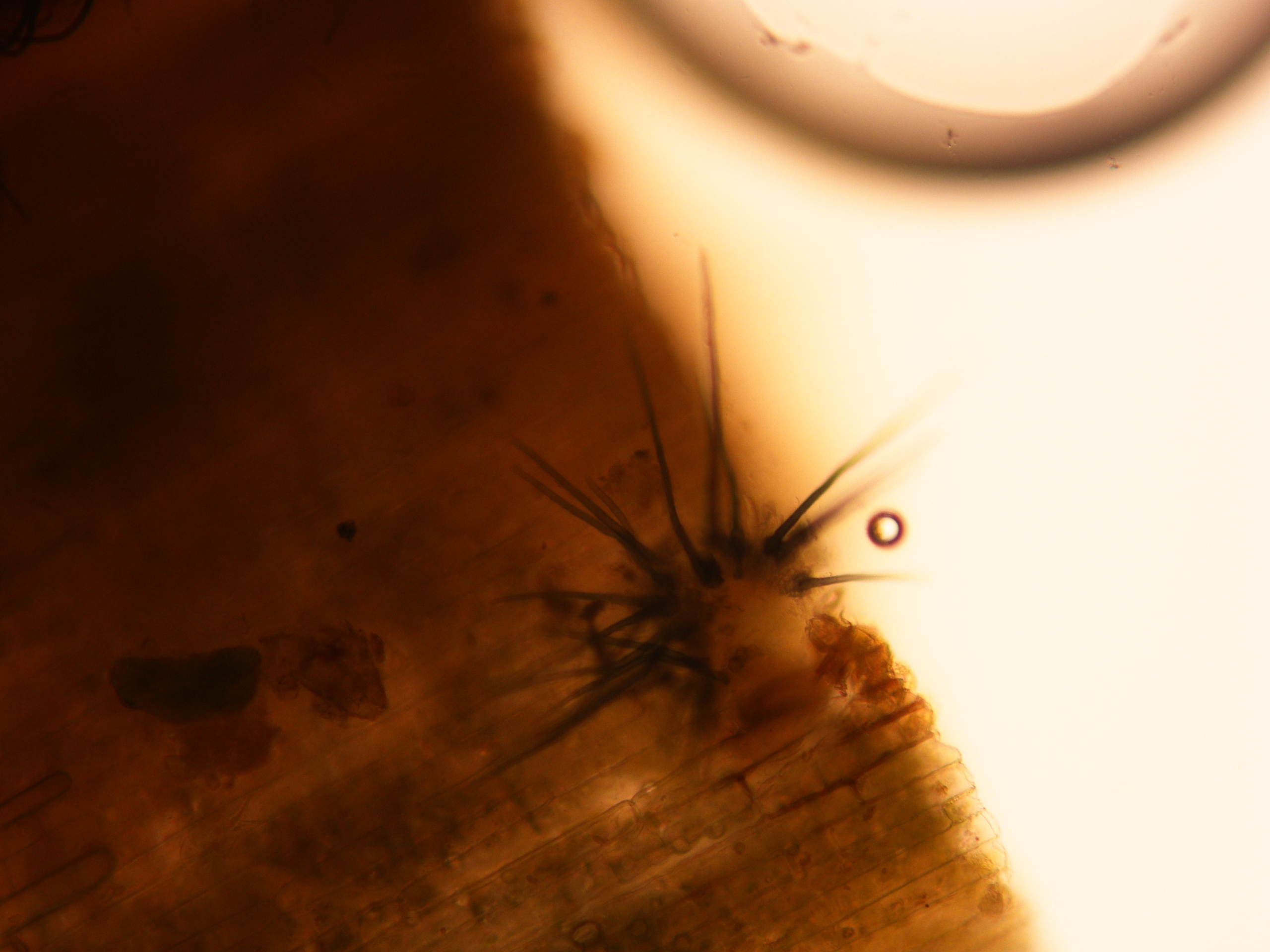
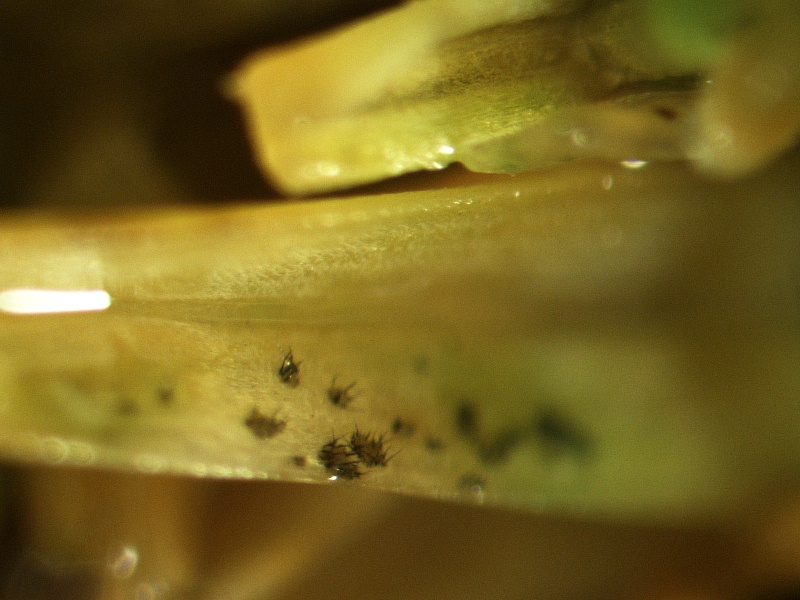
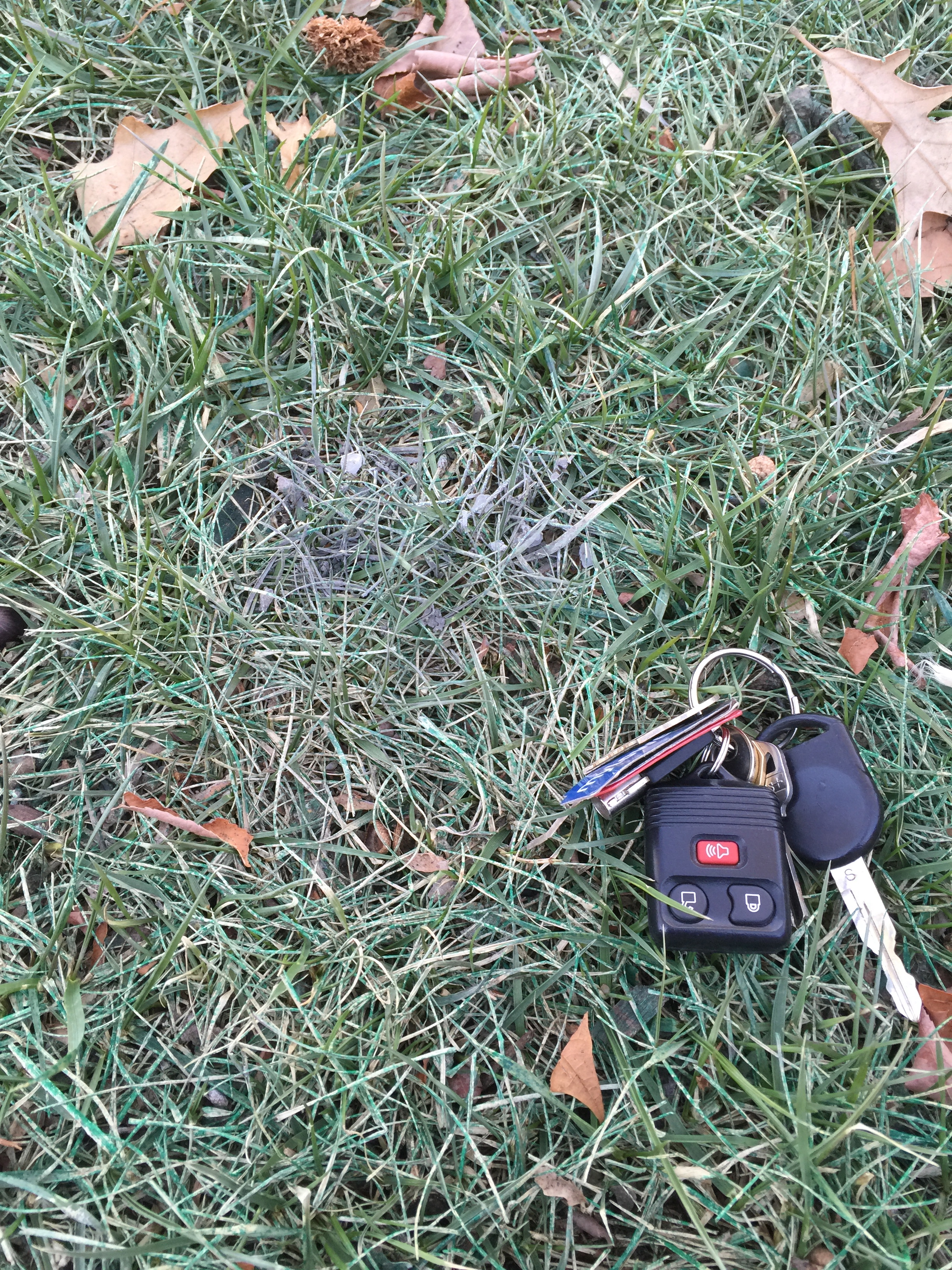
Mystery Spot in Home Lawn
Last year I wrote a post about some of the things I have learned while I have been in KS. One thing was how hard it is to grow turfgrass in the north-western part of the transition zone. And because it is hard to grow turfgrass here it is also hard to diagnose problems when they occur in our turfgrass systems.
So before we start talking about diagnosing turfgrass problems lets talk about how we are diagnosed when we are sick. So one day you wake up and you don’t feel good. You know your throat hurts, you have a fever so you go to the doctor. While at the doctor’s office the doctor asks you questions like what hurts?, when did you start feeling bad?, have you taken any medicine?, etc. So the doctor asks you questions to figure out what is wrong, Right? So you don’t just show up, sit down, and then say fix me. It is a process that you have to go through.
But after all the questions the doctor will prescribe you something to help you feel better. Maybe drink more fluids, get some rest, take some medicine, or all sorts of other remedies. So you go home and start doing what the doctor tells you. In about three days you still feel bad. So you go back to the doctor and start it all over again. And again you get your marching orders on how to feel better. This time it worked and you are better.
That’s how we have to approach issues when they occur in turfgrass. So many times I get a fuzzy picture and the question, “Why is my grass dead? Fix it!” This is just like showing up at the doctor and saying “Fix me”. So to properly diagnose a turfgrass issue some basic information is needed.
What type of turfgrass do you have?
What type of soil do you have?
Is it a weed, disease, insect, or other issue?
When did you first see what was going on? What time of year? How long has it been going on?
Do you or someone else take care of the turfgrass? If someone else what do they do to the turf?
What chemical or cultural practices have recently been conducted?
What type of pattern is the damage? (uniform or random)
Any other information?
I would recommend to have as much of the information as possible if you are really trying to figure out what is going on. This way you can diagnose the issue quicker instead of having to go back and forth to finally get all the information for a proper diagnosis. That’s like having to go back to the doctor because the first diagnosis was incorrect because the doctor didn’t know all of the information.
Lastly, many times when you are gathering all this information, you end up solving the problem yourself!
***Mention of trade names or commercial products in this article is solely for identification purposes and does not imply recommendation or endorsement, nor is criticism implied of similar products not mentioned by Kansas State University.***
This tree had pine wilt disease, and it was cut down and burned to reduce the risk of spread to other trees.
Pines have several disease and insect problems. One of them is pine wilt disease. It kills the entire tree quickly.
Pine wilt is caused by the pinewood nematode, a microscopic worm. The nematode is spread by the pine sawyer beetle. The nematode feeds and multiplies in the tree’s resin canals, causing wilting and death in several weeks to several months. The nematode and beetles spend the winter in the infected tree. In spring, the beetles emerge starting around May 1, carrying nematodes to new trees and continuing the cycle of infection.
The disease is common in the eastern half of the state, and it is spreading west around 10 miles per year. There have been pockets of infection in the western part of the state.
In Kansas, new pine wilt infections are most visible from August to December. Trees wilt and die in a short period of time, from several weeks to a few months. In the first stages, the needles turn grey or green, then yellow and brown. The discoloration sometimes occurs branch by branch, sometimes all at once. With pine wilt, eventually the whole tree dies, within a few months. The brown needles stay on the tree for up to a year after the tree has died. Another key symptom is reduced resin. On a healthy tree, sticky resin bleeds from the site of a wound. In contrast, if a tree has pine wilt the resin is often reduced or absent, and branches become dry or brittle.
There is a website with color photos and descriptions at the following link:
With the other diseases (tip blight, needle blight) only parts of the tree turn brown. With pine wilt, the whole tree is brown and dead.
If you aren’t sure if your tree has pine wilt or something else, contact your local K-State Research and Extension Office or the K-State Diagnostic Lab (clinic@ksu.edu).
If a tree has pine wilt, the tree should be cut down by April 1 to make sure there is time to destroy the wood by May 1, when the beetles start to some out. Cut the tree to the ground—don’t leave a stump. Chip or burn the wood immediately to destroy the beetles and nematodes. Don’t keep pine wood around for firewood.
I’ll post information about some of the other pine problems soon. Are you pining for healthy pines?
(By Jared Hoyle; KSU Turfgrass Research and Extension)
“Spring is just right around the corner!” Yeah, right… I think immediately right after I typed that a winter weather advisory went into effect for Manhattan. It seems like spring will never make it but don’t let it catch you off guard. Right now is a good time to start planning your lawn calendar for the year.
In one of the latest Horticulture Newsletters, KSU Horticulture Extension Associate, Ward Upham, outlined a calendar for cool-season grasses. This is a good outline that you can modify to fit your home lawn.
Lawn Calendar for Cool-Season Grasses
The following suggestions are for cool-season grasses such as Kentucky bluegrass or tall fescue. Zoysiagrass, bermudagrass, and buffalograss are warm-season grasses and require a different maintenance regime.
March
Spot treat broadleaf weeds if necessary. Treat on a day that is 50 degrees or warmer. Rain or irrigation within 24 hours of application will reduce effectiveness.
April
Apply crabgrass preventer when redbud trees are in full bloom, usually in April. The preventer needs to be watered in before it will start to work. One-quarter inch of water will be enough to water in any of the products mentioned in this calendar. Remember that a good, thick lawn is the best weed prevention and may be all that is needed.
May
Fertilize with a slow-release fertilizer if you water your lawn or if you receive enough rainfall that your turf normally doesn’t go drought-dormant during the summer. If there are broadleaf weeds, spot treat with a spray or use a fertilizer that includes a weed killer. Rain or irrigation within 24 hours of application will reduce effectiveness of the weed killer, but the fertilizer needs to be watered in. If you are using a product that has both fertilizer and weed killer, wait 24 hours after application before watering in.
June through Mid-July
Apply second round of crabgrass preventer by June 15 – unless you have used Dimension (dithiopyr) or Barricade (prodiamine) for the April application. These two products normally provide season-long control with a single application. Remember to water it in. If grubs have been a problem in the past, apply a product containing imidacloprid during the first half of July. This works to prevent grub damage. It must be watered in before it becomes active.
Late-July through August
If you see grub damage, apply a grub killer that contains Dylox. Imidacloprid is effective against young grubs and may not be effective on late instar grubs. The grub killer containing Dylox must be watered in within 24 hours or effectiveness drops.
September
Fertilize around Labor Day. This is the most important fertilization of the year. Water in the fertilizer.
November
Fertilize. This fertilizer is taken up by the roots but is not used until the following spring. Water in fertilizer. Spray for broadleaf weeds even if they are small. Broadleaf weeds are much easier to control in the fall than in the spring. Spray on a day that is at least 50 degrees. Rain or irrigate within 24 hours reduces effectiveness. Use label rates for all products!
Always remember to READ THE LABEL for the correct rate, turfgrass tolerance, and specific instructions before application!!!
***Mention of trade names or commercial products in this article is solely for identification purposes and does not imply recommendation or endorsement, nor is criticism implied of similar products not mentioned by Kansas State University.***
 What a crazy Spring… It has been nice and mild with plenty of rainfall here in Manhattan. But as soon as we start to complain about the rainfall we need to make sure that we are sticking to the basics when it comes to taking care of our home lawn. In the recent Horticulture Newsletter, Ward Upham, talks about some of the issues that homeowners are facing with the cool and mild Spring including; how often to water the lawn, too wet to mow, Thatch control in warm season turfgrass, fertilizing warm season turfgrass, and more…