Kansas State University

search

Extension Entomology

Month: October 2020

Volunteer Wheat

–by Dr. Jeff Whitworth


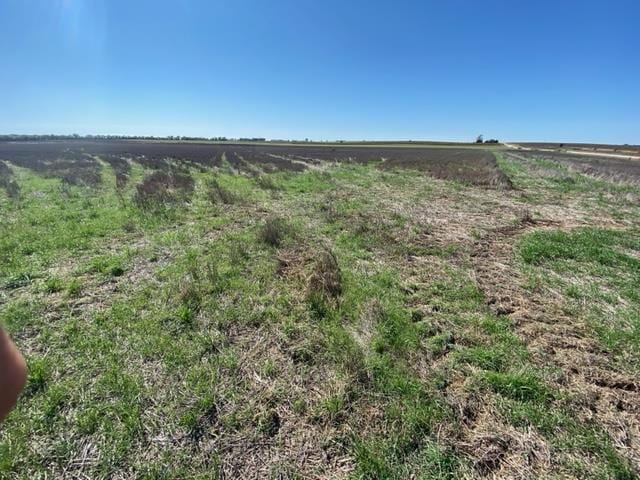
Much wheat has been planted but much is still to be planted. Please remember that volunteer wheat (see fig 4) needs to be dead at least 3 weeks prior to planted wheat germinating. This really helps mitigate wheat pests that may be utilizing this volunteer wheat as a “green bridge”– just waiting to move from these plants to infest the germinating new plants.

Figure 4 Volunteer Wheat (Cayden Wyckoff)


Sorghum

–by Dr. Jeff Whitworth


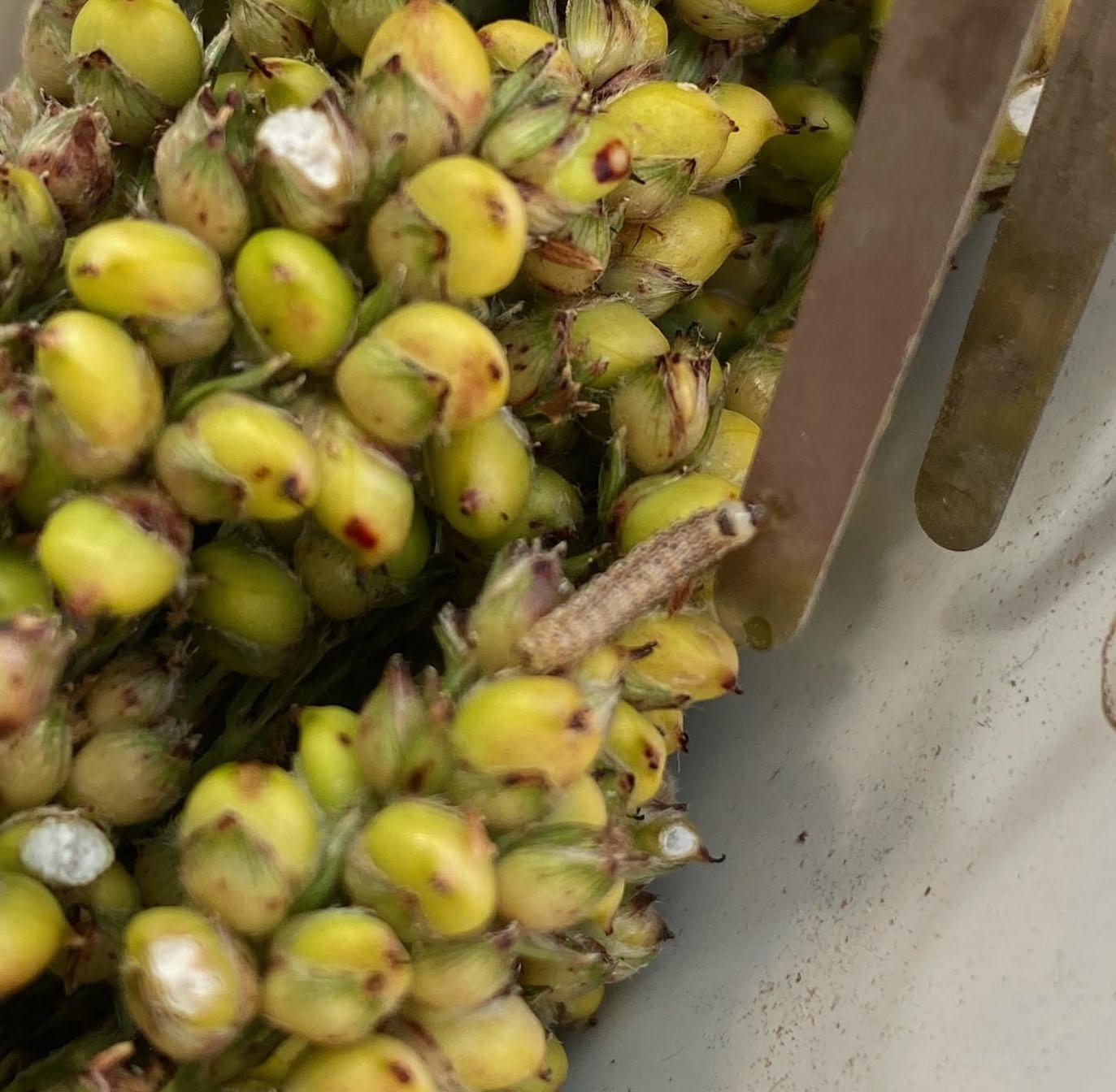
Most sorghum throughout south and north central Kansas has developed past the stage that might be susceptible to infestations by sorghum headworms (susceptible stage is generally considered to be between flowering and soft dough). However, some late-planted fields may still be vulnerable to headworm infestations (see Fig 1) but fortunately, infestations remain very low.


Figure 1 Headworm (found 8 Oct 2020) (Cayden Wyckoff)

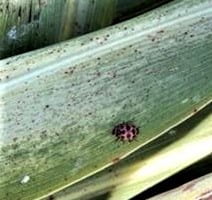
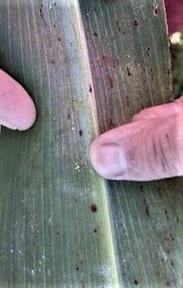
Sugarcane aphids are still migrating into the state, and probably will until we get much cooler temperatures and fewer south winds. Fortunately, beneficials (see fig 2 of pink spotted lady beetle) are still plentiful in most sorghum fields. All sugarcane aphids detected in the last 10 days on later planted sorghum had only small, scattered colonies of sugarcane aphids (see fig 3).

Figure 2 Pink spotted lady beetle (Cayden Wyckoff)

Figure 3 Sugarcane aphid colonies (Cayden Wyckoff)


Large Milkweed Bug

–by Dr. Raymond Cloyd

We are receiving inquiries regarding the large milkweed bug, Oncopeltus fasciatus, nymphs and adults feeding on the seed pods of milkweed (Asclepias spp) plants (Figure 1).

Figure 1. Large Milkweed Bug Adults And Nymphs Feeding On Milkwee Seed Pod (Raymond Cloyd, KSU)

Large milkweed bug adults are 9/16 to 5/8 inches (10 to 18 mm) in length, with black and orange markings on the body (Figure 2).
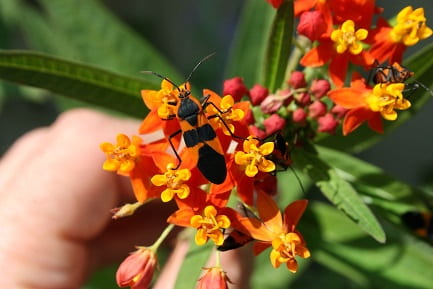


Figure 2. Large Milkweed Bug Adult (Raymond Cloyd, KSU)

There are five nymphal instars before becoming adults. Females lay eggs on milkweed seed pods or in crevices between the seed pods. Females can lay up to 30 eggs per day and approximately 2,000 over her lifetime, which is about one month in the summer. The adults contain toxic compounds that are obtained from the plant fluids during feeding, which protects them from predators. Large milkweed bugs cause minimal damage to milkweed plants and are present for a short period. Large milkweed bugs overwinter as adults. There may be one to several generations per year in Kansas