Kansas State University

search

Extension Entomology

Month: May 2022

Alfalfa Weevils and Caterpillars

–by Jeff Whitworth–Field Crops Entomology


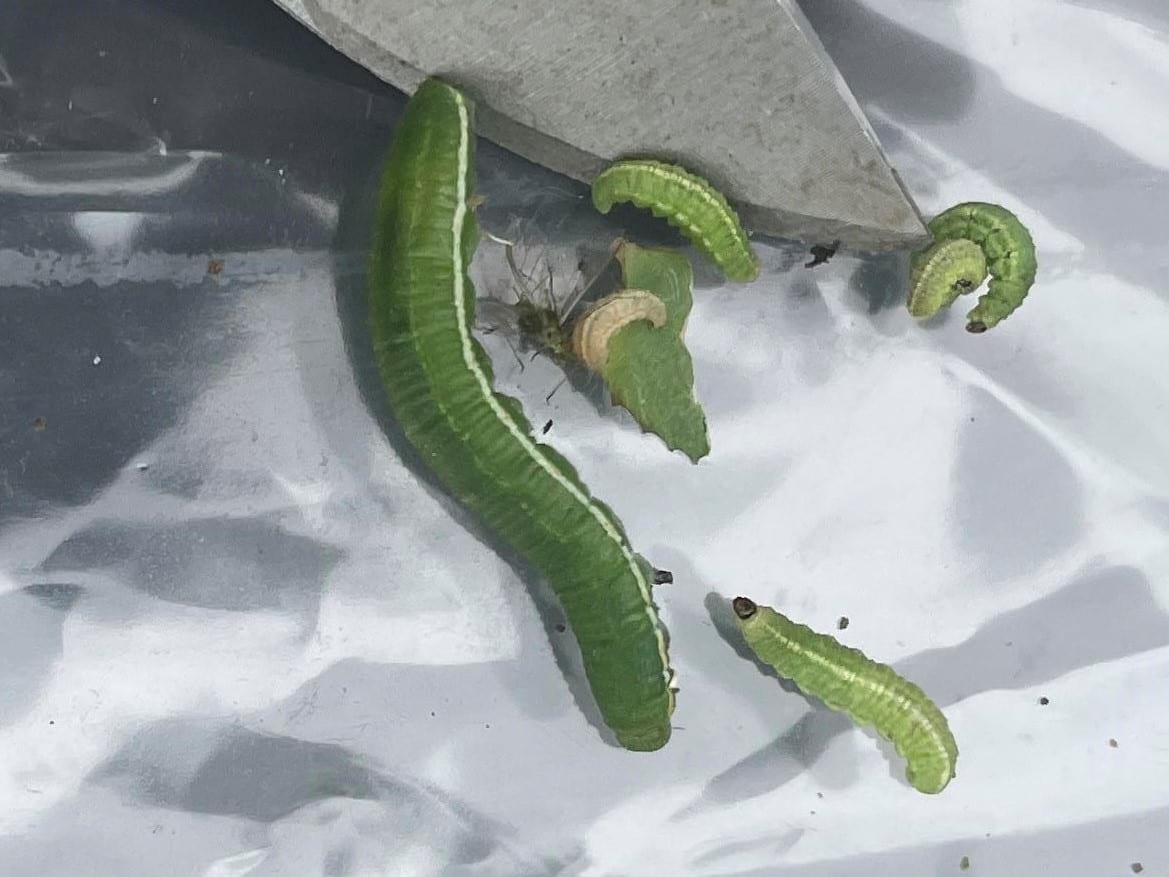
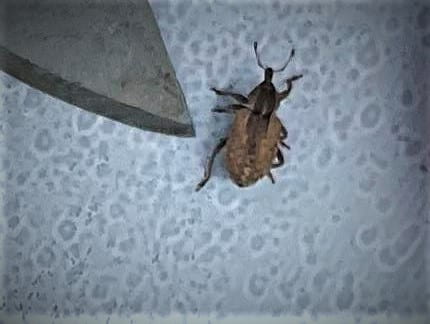
Alfalfa weevils continue to cause concern around the state, but that shouldn’t last much longer. After checking many fields in north central Kansas, from 20-23 May, it is obvious that alfalfa weevil infestations have been very problematic–but has run its course, for the most part.  All fields sampled had alfalfa weevil larvae (see fig. 1), whether previously treated or not.  All fields, including 2 untreated, had less than a 2% infestation of larvae and adults.  There were still a few adults (see fig. 2) hanging around in these unswathed fields which is common as the uncut alfalfa canopy does provide shade for these adults until it is swathed.  After swathing these adults usually emigrate from the alfalfa fields and not return until early fall.  Adult alfalfa weevils do feed- but at a much reduced rate compared to larvae.


Alfalfa caterpillars (see Fig. 1) are also becoming more common in alfalfa fields throughout the state. These develop into the common white or yellow butterflies, again usually very common around both alfalfa fields and, later on, soybean fields.  However, these larvae do not usually cause enough damage to be of any consequence.


Figure 1: Alfalfa weevil larvae (smaller larvae with dark heads) and Alfalfa caterpillar (larva on the left)

Figure 2: Alfalfa weevil adult

Termites

–by Jeff Whitworth — Field Crop – Entomology


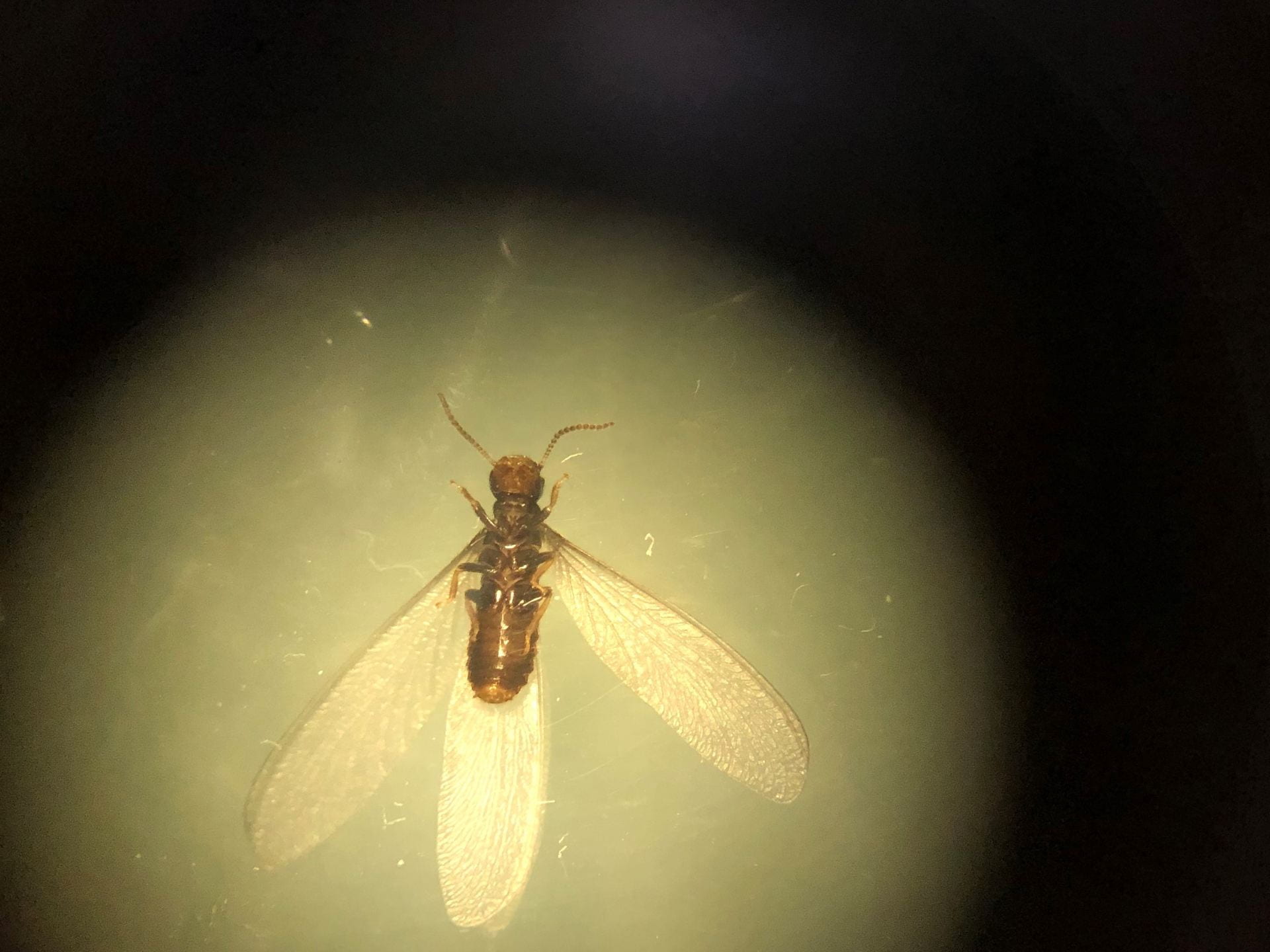
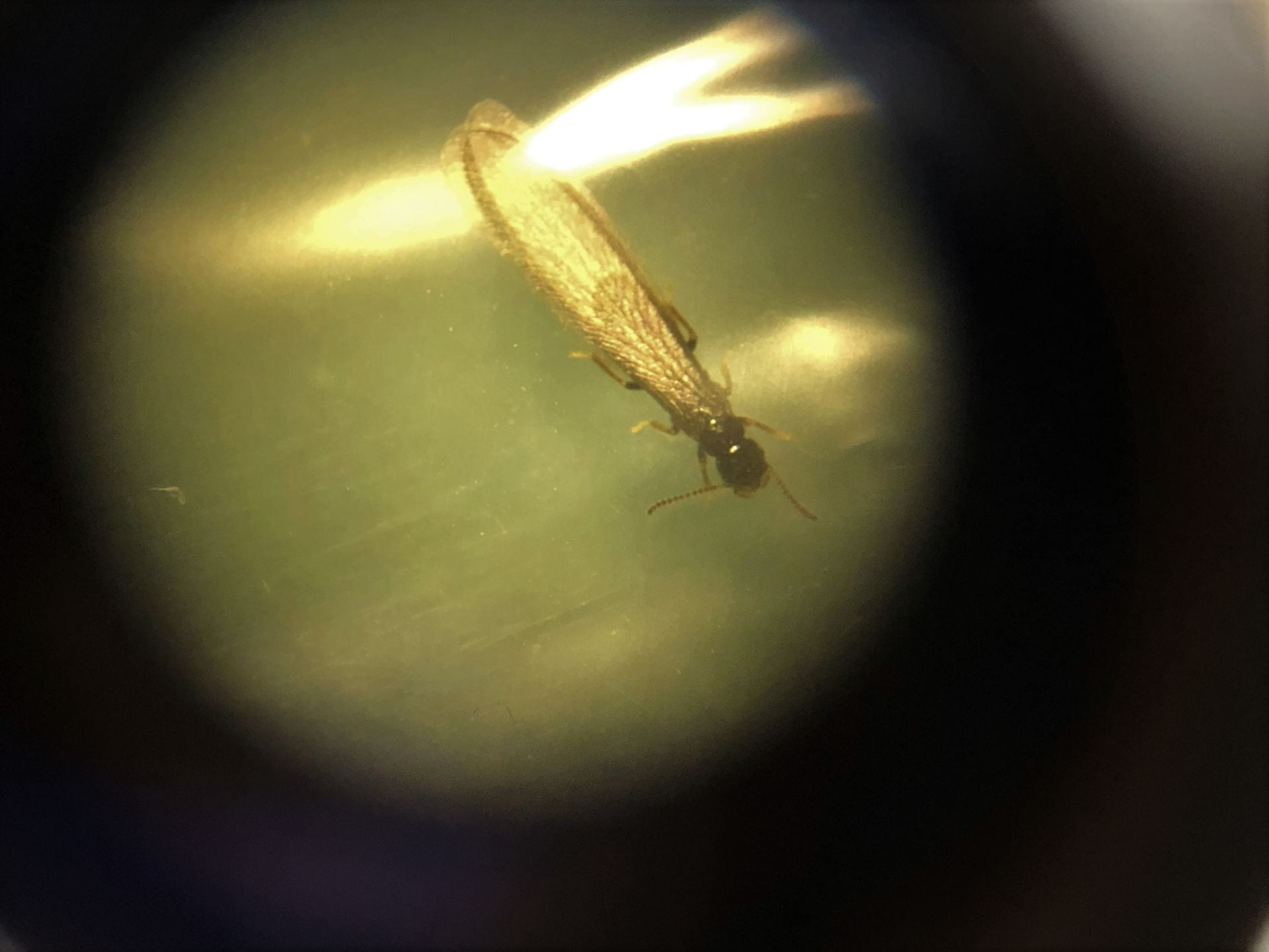
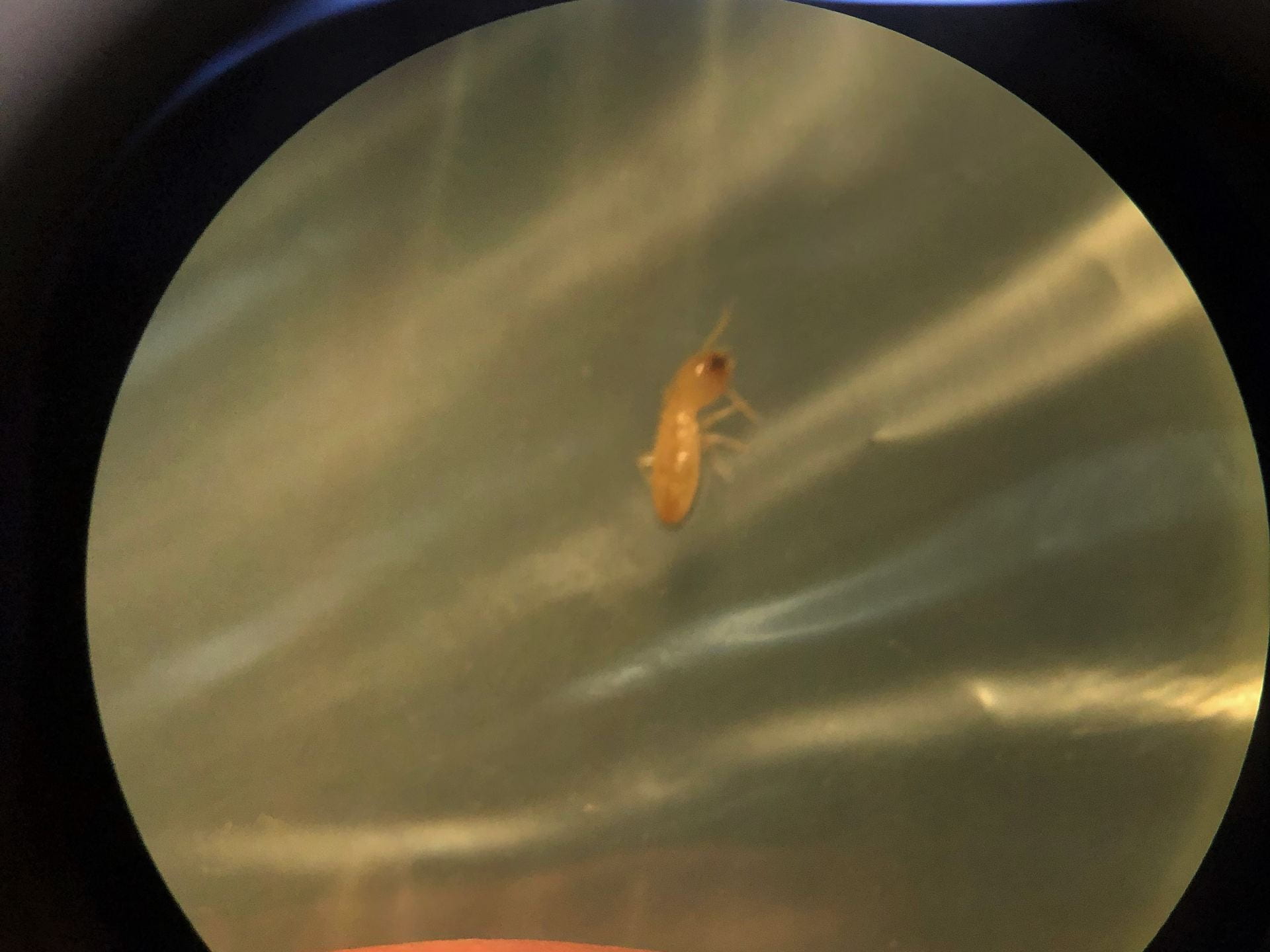
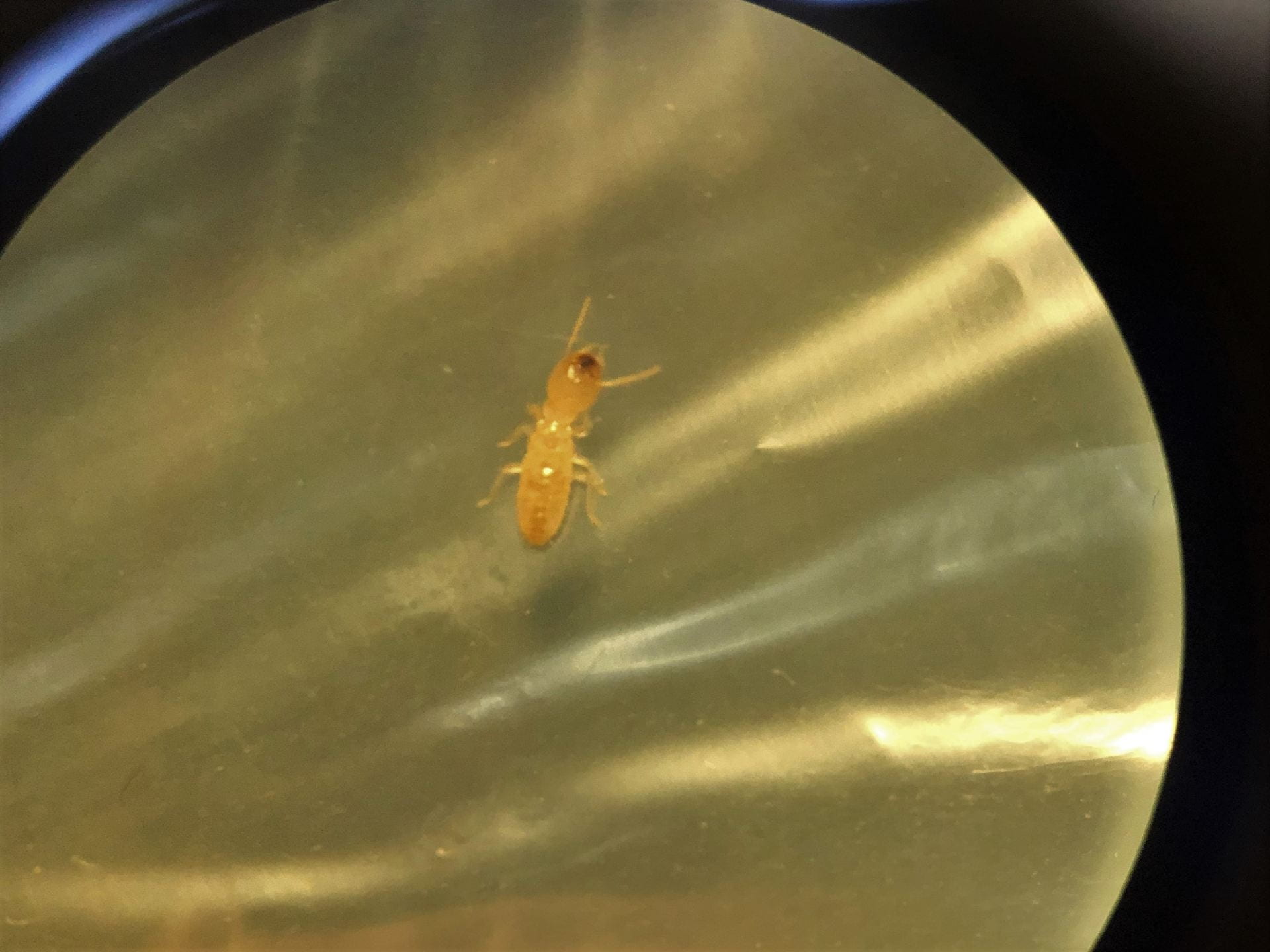
Termites have been “swarming” around the state for about the past 2 weeks. Apparently weather conditions this year have been conducive to this behavior which has caused considerable concern–especially since it has been a couple of years since we have seen, or had any reports of, this swarming activity (actually, since 2019). Termites have usually swarmed about 10 days after the 1st warm spring rains, which have generally occurred in April. But we have seen termites swarm in late February to early June, depending upon the weather. Since termite swarms are more common this year a little refresher is apparently needed to help answer some questions. Adult termites (see figs 1 & 2), the “swarmer’s”, are relatively easy to distinguish from ant “swarmer’s”. Termite adults have 4 wings of equal size–ants have hind wings smaller than their front wings; adult termites are dark brown/black with a more cigar shaped body–ant swarmer’s have a distinct “waist”; termite swarmer’s have straight antennae–ants have bent or elbowed antennae. Also, often at the site where the termite swarmer’s are issuing there may be a few white termite workers and/or soldiers (see figs 3 & 4) whereas ants do not have these white soft bodied individuals present. For more information, please see “Household Pests of Kansas: MF 3291.  All pictures courtesy of David Hallauer.

Figure 1: Termite “swarmer”

Fig 2: Termite swarmer


Figure 3: Soldier termite

Figure 4: Soldier termite

Figure 4: Soldier termite

Insect Art Contest Explores the Benefits of Insects

–by Frannie Miller — Pesticide Safety and IPM Coordinator


The Kansas State Research and Extension Integrated Pest Management and Pesticide Safety Education program is wrapping up their third year of the Insect Art Contest. The theme this year was the “Benefits of Insects” and the goal was to explore how insects are beneficial to us and society. A total of 179 entries were received from youth across the state. The entries were submitted in four age categories and a panel of judges selected the top four entries in each age range. The entries were then posted for the public to vote on the winners.

The overall category winners for the 2022 Insect Art Contest, based on age group, are listed below:


Please help us congratulate these talented and artistic students! Please visit https://www.facebook.com/KSRE-Pesticide-Safety-and-Integrated-Pest-Management-Program-109039044075447 to see the rest of the winners.


Insect Diagnostics 2022 Has Begun

–by Anthony Zukoff — Southwest Research & Extension Center–Garden City, KS


In May of 2021, the Insect Diagnostics program was brought back into service in an all new digital format.  Members of the public seeking assistance identifying an insect can access the Insect Diagnostics ID Request Form online.  After providing observation information such as location and date of the sighting, followed by answering a set of questions intended to help with the identification process, one can then upload up to 3 photos and submit the form.  The inquiry is then forwarded on to one of the entomology extension specialists.  Within a few days, usually less than two, the identity of the insect along with appropriate life history information and/or control measures is then sent to the client by email or phone.   The online submission process takes only a few minutes and can be accessed with desktop computers and mobile devices.   If you need insect identification assistance, submit a request at https://entomology.k-state.edu/extension/diagnostician/.


Bagworms…Getting Close!

–by Raymond Cloyd —  Horticultural Entomology


We are getting close to the time when the 1/8 to 1/4 of an inch bags associated with the bagworm, Thyridopteryx ephemeraeformus, will be present on broadleaf and evergreen trees and shrubs. Therefore, be prepared to take action against bagworms once they are observed on plants. Although bagworm caterpillars primarily feed conifers, they also feed on a wide-range of host plants including many broadleaf plants, such as; elm, flowering plum, hackberry, honey locust, linden, maple, oak, rose, sycamore, and wild cherry. It is important to apply insecticides when bagworms are 1/4 of an inch long or less (Figure 1) to maximize effectiveness of insecticide applications and subsequently reduce plant damage.
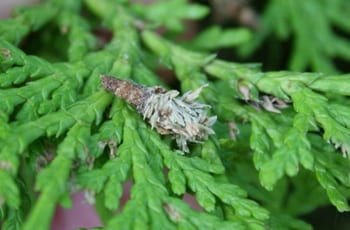
Figure 1. Young Bagworm Larva or Caterpillar Feeding On Plant Foliage (Raymond Cloyd, KSU)

Many insecticides are labeled for use against bagworms, however, the insecticides that can be used to manage populations of bagworms early in the season are Bacillus thuringiensis subsp. kurstaki and spinosad. These active ingredients are commercially available and sold under various trade names. The bacterium, Bacillus thuringiensis subsp. kurstaki, is only active on young bagworm caterpillars and must be consumed or ingested to kill bagworm caterpillars. Therefore, thorough coverage of all plant parts and frequent applications are required. The insecticide is sensitive to ultra-violet light degradation and rainfall, which can reduce residual activity. Spinosad is the active ingredient in several homeowner products, including Captain Jack’s DeadBug Brew and Monterey Garden Insect Spray. The insecticide works through contact and ingestion, however, the insecticide is most effective when ingested by young bagworm caterpillars. The key to managing bagworms with these insecticides is to apply the insecticides early and frequently enough to kill the highly susceptible young caterpillars feeding on plant foliage. Applying insecticides weekly for four to five weeks when bagworms are first noticed will reduce problems with bagworms later in the year.

Bagworms commonly start feeding on the tops of trees and shrubs. Therefore, thorough coverage of all plant parts and frequent applications are important in managing bagworm populations. The reason multiple applications are required is that bagworm caterpillars do not emerge (eclose) from eggs simultaneously but emerge over time depending on temperature. In addition, young bagworms can be ‘blown in’ (called ‘ballooning’) from neighboring plants on silken threads. If left unchecked, bagworms can cause substantial plant damage, thus ruining the aesthetic quality of plants. Furthermore, bagworms can kill plants (especially newly transplanted small evergreens), because evergreens usually do not produce another flush of growth after being fed upon or defoliated by bagworms.

If you have any questions on how to manage bagworms in your garden or landscape contact your county horticultural agent, or university-based or state extension entomologist. You can also read the following extension publication on bagworms:


Cloyd, R. A. 2019. Bagworm: insect pest of trees and shrubs. Kansas State University

Agricultural Experiment Station and Cooperative Extension Service. Kansas State University; Manhattan, KS. MF3474. 4 pgs.

http://www.bookstore.ksre.ksu.edu/pubs/MF3474.pdf