By Jeff Whitworth, Entomology Extension Specialist, jwhitwor@ksu.edu.
Armyworms are a recurring pest issue across Kansas, but several different species fall under the “armyworm” umbrella. Each species varies in its host plants, seasonal activity, and whether it overwinters in the state (Table 1). This article provides an overview of the major species of concern, with emphasis on the Fall Armyworm and Armyworm, which were the primary issues for Kansas producers in 2025. A brief summary of the Army Cutworm, which is not a true armyworm, is also included.
Table 1. Armyworm species that can be found in Kansas.
| Common Name |
Primary Crops/Hosts |
Overwinters in Kansas? |
| Armyworm (True armyworm) |
Broad range |
Yes |
| Beet Armyworm |
Mainly alfalfa |
Yes |
| Fall Armyworm |
Very wide range |
No |
| Wheathead Armyworm |
Wheat only |
Yes |
| Yellowstriped Armyworm |
Mainly alfalfa and soybeans |
No |
| Army Cutworm* |
Wheat, alfalfa, rangeland |
Yes |
* Army Cutworm is not a true armyworm, but can appear in large numbers.
Major Concerns in 2025
The two species that caused the greatest concern to Kansas producers in 2025 were:
- Fall Armyworm
- Armyworm (True Armyworm)
Detailed summaries for each species follow.
FALL ARMYWORM
Key Characteristics
- Generations: 2-3 per year in Kansas
- Overwintering: Do not overwinter in Kansas. Moths migrate in during the spring and begin depositing eggs.
- Host Range: Very wide. They feed on grasses and broadleaf plants; nearly any green plant can be affected.
- Seasonal Movement: Typically migrate south again in October
- Monitoring:
- Pheromone traps are available for adult Fall armyworm moths.
- Important note: Trap catches indicate when moths are flying, NOT how many larvae are present or feeding in the fields.
Identification
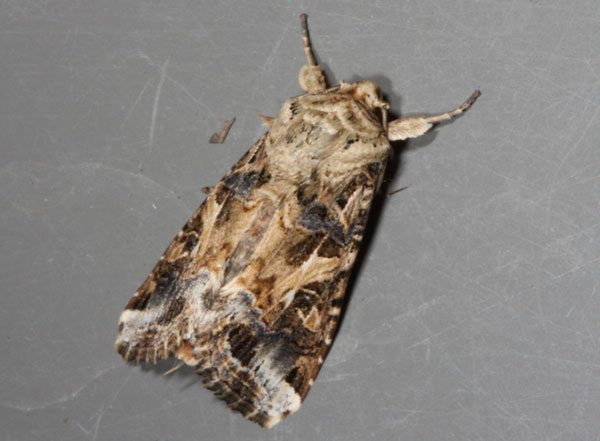
Figure 1. Adult Fall Armyworm. Photo by K-State Entomology.
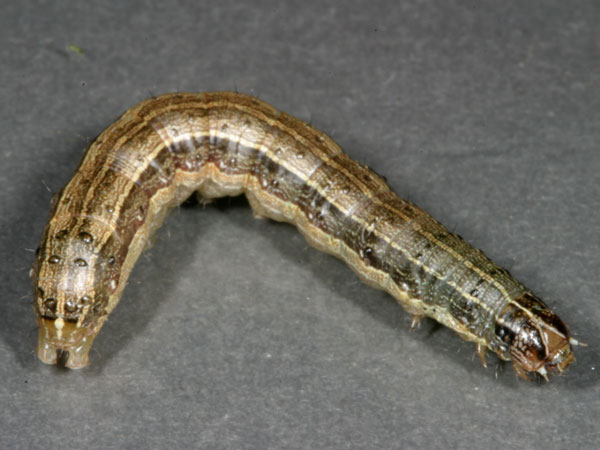
Figure 2. Fall Armyworm Larva. Note the characteristic four dark spots on the last abdominal segment. Photo by K-State Entomology.
ARMYWORM
Key Characteristics
- Generations: 2–3 per year in Kansas
- Overwintering: Yes. Overwinter in Kansas. No-till or reduced-till systems may favor overwintering survival.
- Host Range: Primarily grasses. Examples: wheat, brome, turf/lawns including golf courses, sorghum, and corn.
- Biological Control: Historically, parasitoids (especially tachinid flies and small parasitic wasps) helped suppress armyworm populations, but few have been observed in the past 3 years.
Identification
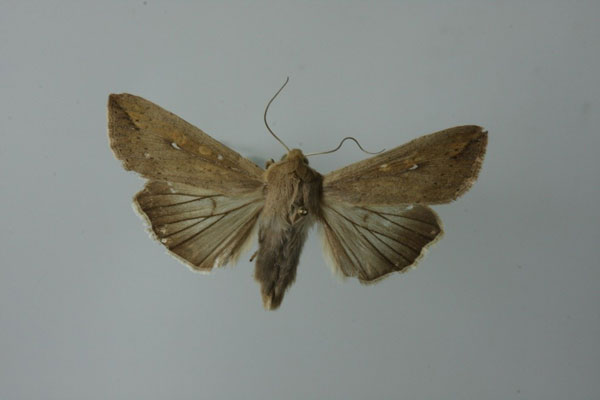
Figure 3. Adult Armyworm. Photo by K-State Entomology.
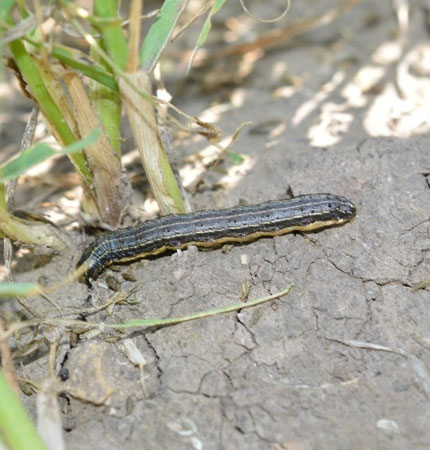
Figure 4. Armyworm larva. Photo by K-State Entomology.
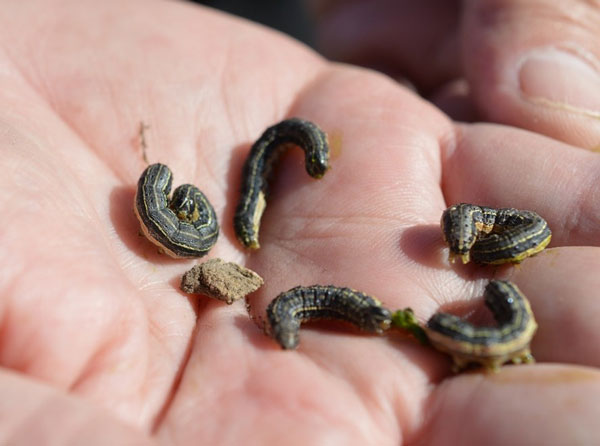
Figure 5. Armyworm larvae collected from wheat in Dickenson County on Nov. 16, 2016. Photo by K-State Entomology.
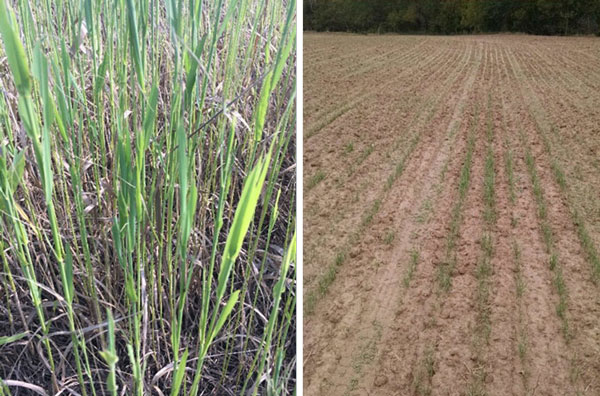
Figure 6. Armyworm feeding damage. Photos by K-State Entomology.
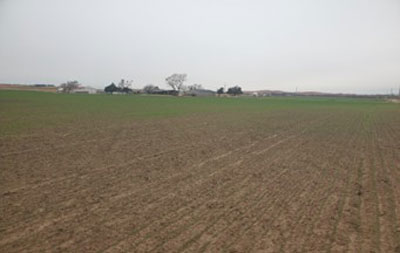
Figure 7. Typical Armyworm damage in Saline County on Nov. 15, 2022. Photo by Jay Wisbey, K-State Extension.
Table 2. Insecticide efficacy trial for Armyworms in brome in 2021.
|
|
Total worms/ft2/4 reps |
| Treatment |
Rate |
Sept. 19
(7 days) |
Sept. 26
(14 days) |
Oct. 3
(21 days) |
| Fastac CS |
2.4 fl. oz/a |
0 |
1 |
0 |
| Besiege XL |
8.0 fl. oz/a |
0 |
2 |
0 |
| Steward |
8.0 fl. oz/a |
0 |
2 |
0 |
| Grizzly Z |
2.5 fl. oz/a |
0 |
0 |
0 |
| Lorsban 4E |
1.5 pint/a |
3 |
3 |
0 |
| Check (control |
– |
25 |
26 |
0 |
| Check (control |
– |
18 |
20 |
0 |
ARMY CUTWORM (not a true Armyworm)
Biology and Seasonal Behavior
- Adult moths (“miller moths”) migrate from the Rocky Mountains in early fall and deposit eggs into the soil.
- Larvae hatch in the fall, feed until cold weather, and overwinter as partly grown larvae.
- Feeding may resume anytime temperatures exceed 50°F, even during winter warm spells.
- Primary damage occurs in early spring when several consecutive days exceed 50–60°F.
Damage
Army cutworms can severely thin or eliminate stands of wheat, alfalfa, and rangeland grasses. Army cutworms were present in large numbers in 2020 and decimated areas of wheat fields and alfalfa fields. However, this was not the case in 2021, and only a few were reported in 2022. Army cutworms develop into “miller” moths (Figure 8), which were a nuisance in spring 2024 and a smaller nuisance in spring 2025.
Turkeys often feed heavily on army cutworm larvae, sometimes with crops full of larvae (Figure 11).
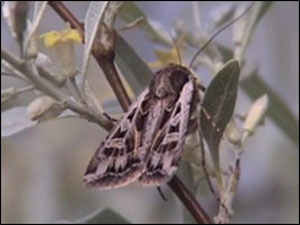
Figure 8. Adult Army cutworm or “miller moth”. Photo by K-State Entomology.
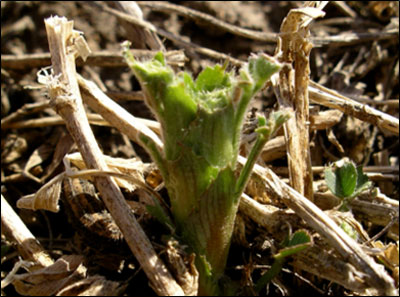
Figure 9. Crop damage from Army cutworm. Photo by K-State Entomology.
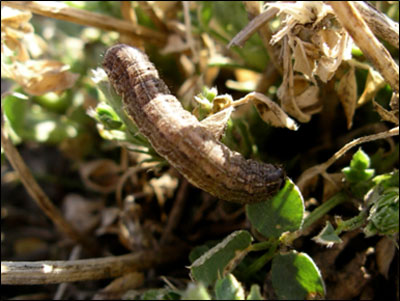
Figure 10. Army cutworm larva. Photo by K-State Entomology.
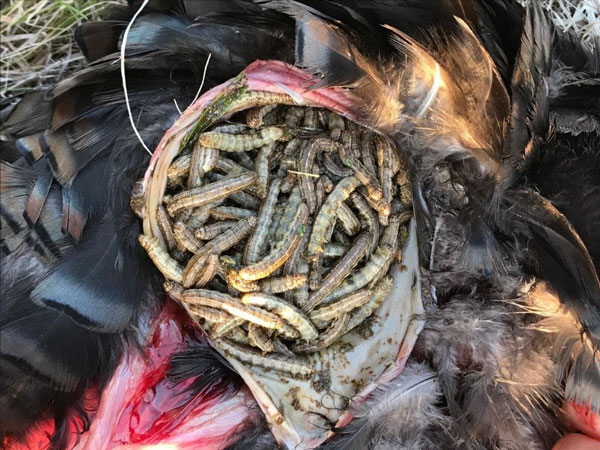
Figure 11. Turkey crop after feeding on army cutworm larvae in a wheat field. Photo by K-State Entomology.
Originally posted on Agronomy eUpdate November 20th, 2025 : Issue 1081.


